XL American Bully: Complete Guide (Size, Temperament, Care)
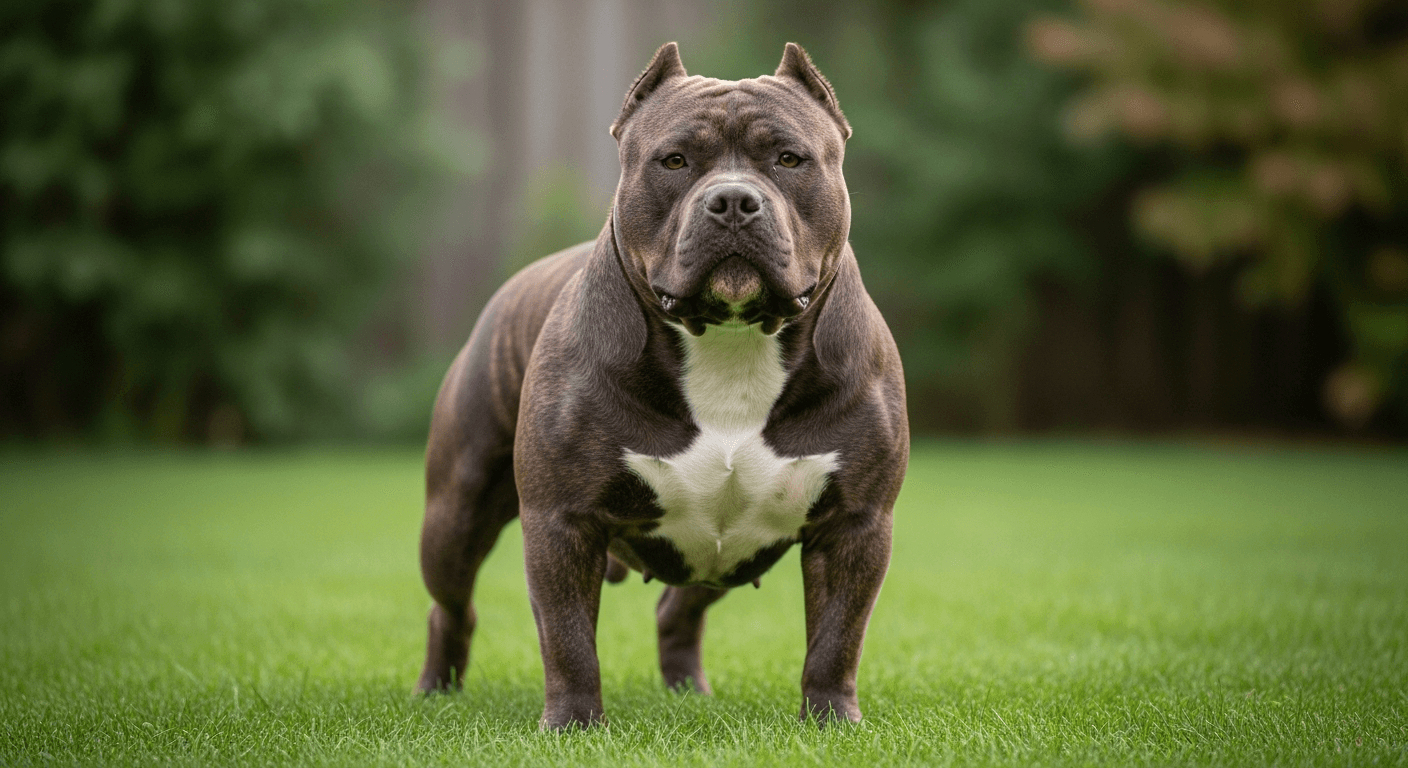
If you've ever seen a dog that looks like it spends more time at the gym than you do, chances are you've spotted an XL American Bully. These dogs are absolute units. They are head-turners. Traffic stoppers. But here is the thing. Behind all that muscle and that tough exterior is usually a dog that just wants to be a lap dog.
Honestly, getting into the world of American Bullies can be confusing. You have Pocket, Standard, Classic, XL, and even those unauthorized "XXL" sizes people claim to have. But today, we are talking specifically about the XL. The big boys. The gentle giants.
I remember when I first brought my XL home. I was prepared for the looks I'd get. People crossing the street. Parents pulling their kids closer. It comes with the territory. But what I wasn't prepared for was just how much personality these dogs have. They are clowns in a bodybuilder's suit.
In this guide, I'm going to break down everything you need to know about the XL American Bully. No fluff. Just real talk from someone who loves the breed. We'll cover their size, their surprisingly soft temperament, the health issues you need to watch out for, and how to handle a dog that might weigh as much as a small human.
What Exactly is an XL American Bully?
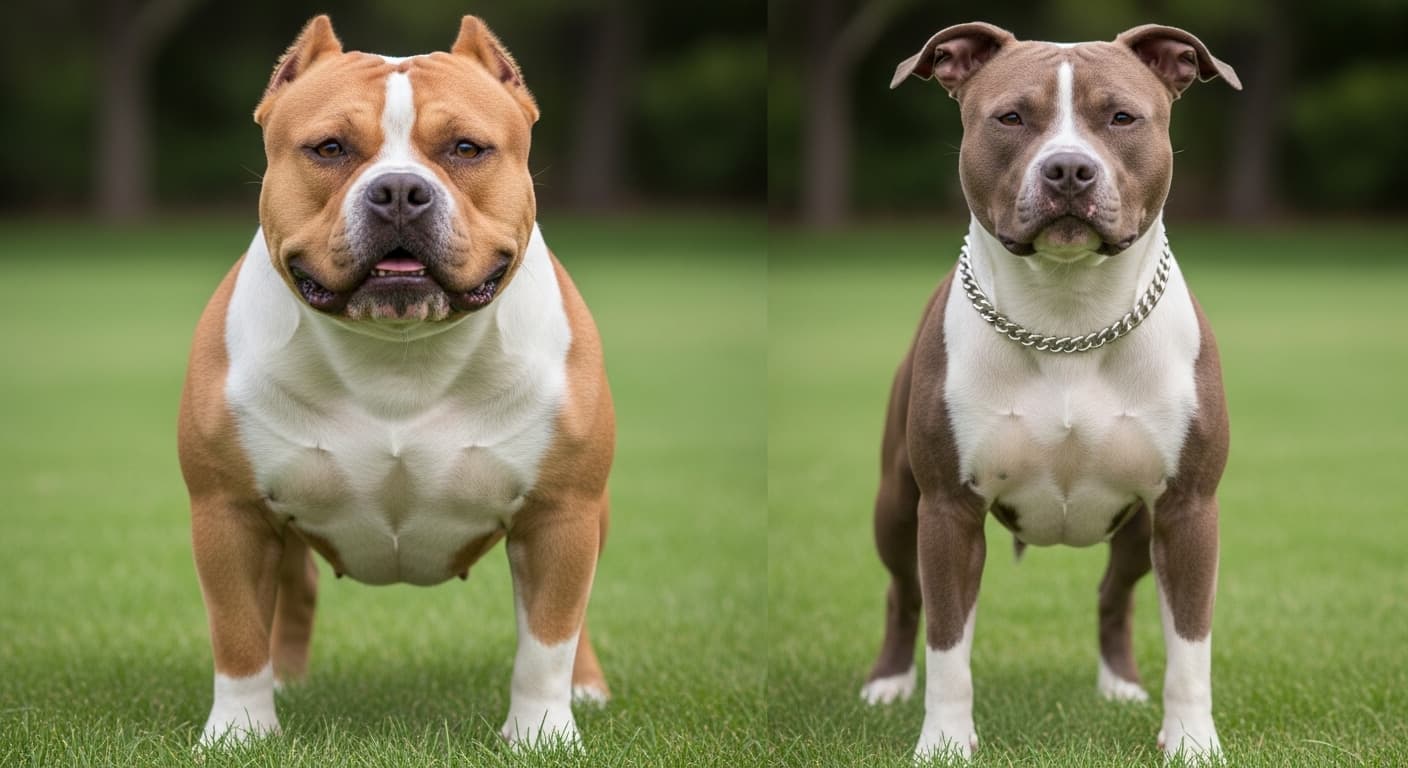
First off, let's clear up a common misconception. An XL American Bully isn't just a "big Pitbull." While they share ancestry, the American Bully is its own breed, recognized by the ABKC (American Bully Kennel Club). They were bred specifically for companionship, not drive or aggression.
The "XL" label refers strictly to height. It's not about weight, although the weight naturally follows the height.
According to the ABKC standards, an XL is determined by its height at the withers (the top of the shoulders):
- Males: Over 20 inches up to 23 inches.
- Females: Over 19 inches up to 22 inches.
If your dog is taller than that, it's technically outside the standard. If it's shorter, it falls into the Standard or Pocket categories. It's that simple. But in the real world, you'll see people calling any big bulky dog an "XL."
The Look: Built Like a Tank
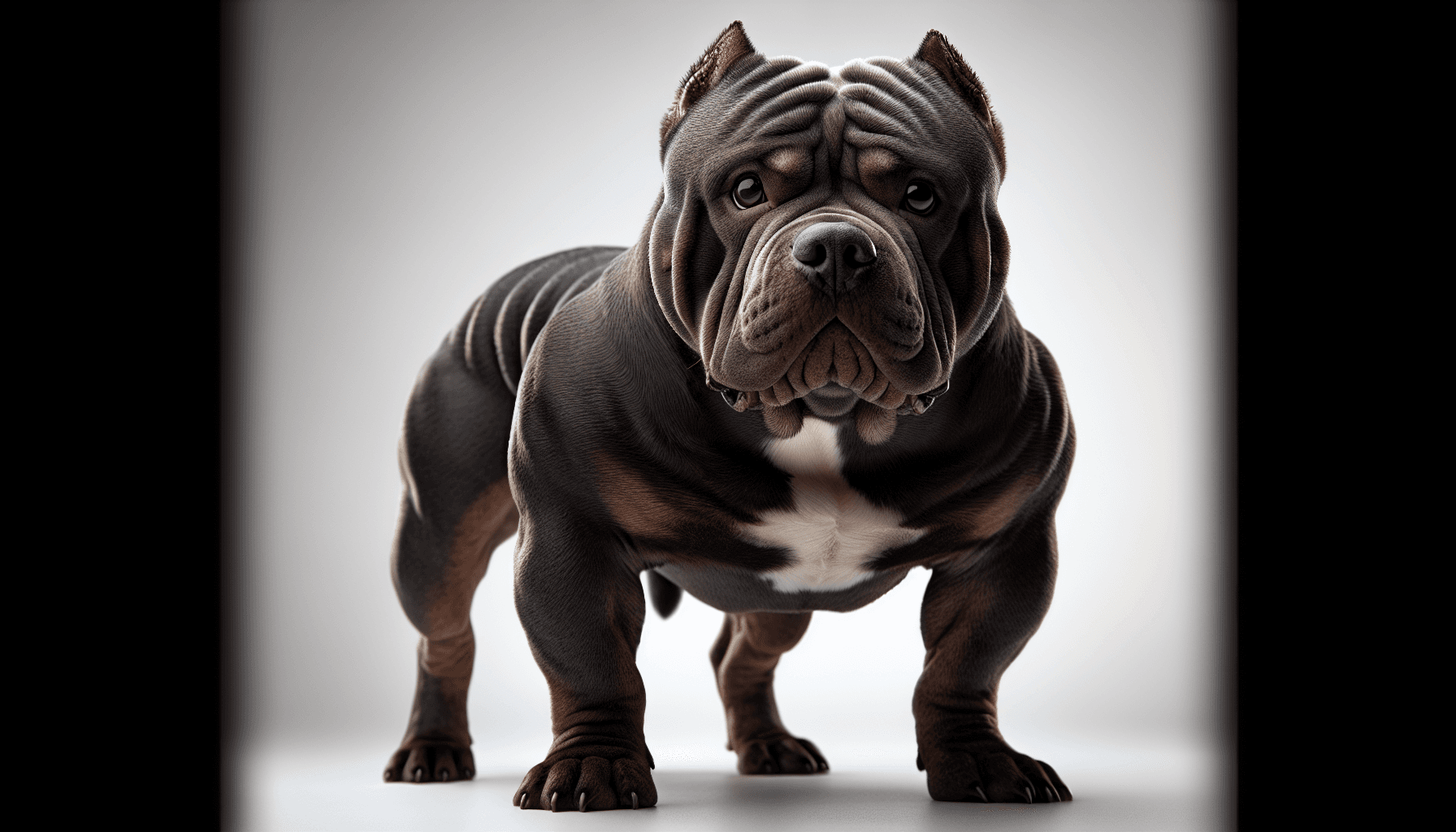
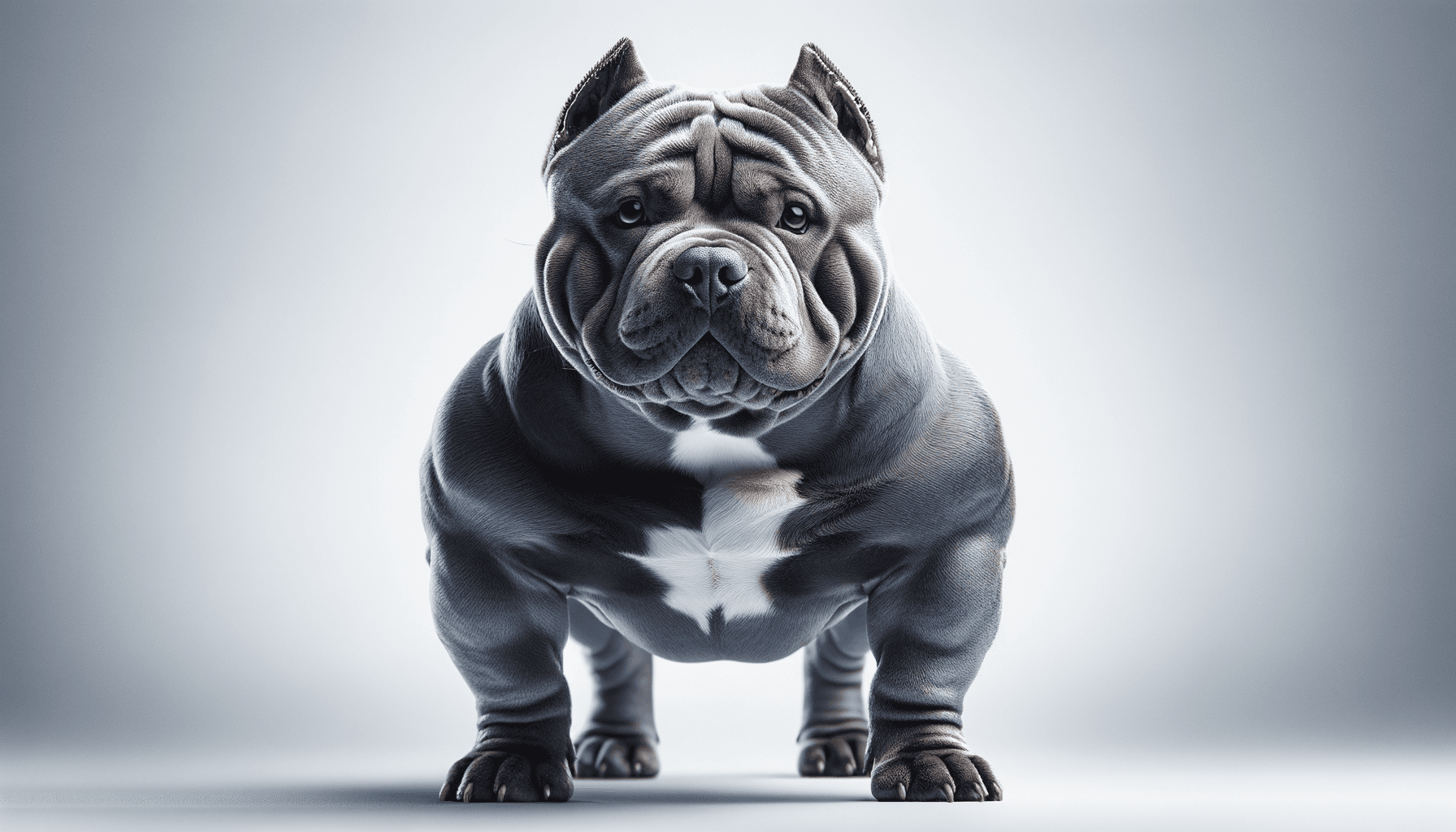
Let's be real. We love them because they look impressive. An XL American Bully should be the definition of power. We are talking about a heavy bone structure. A wide chest that looks like they could bench press a truck. And that head.
The head of an XL is distinctive. It should be broad and blocky. The muzzle is usually short to medium length, not long and narrow like a terrier. When you look at an XL, you should see mass. But, and this is important, they should still be functional.
I've seen some XLs that are so overdone they can barely walk. That is not what we want. A proper XL should still move smoothly. They should be able to run and play without gasping for air after ten seconds. Muscle is great. Functional muscle is better.
Temperament: The Nanny Dog Myth vs. Reality
You'll hear people say, "Oh, they are nanny dogs!" referring to the old myths about Staffordshire Bull Terriers. While the "nanny dog" label is historically debated, the sentiment isn't far off for a well-bred American Bully.
In my experience, the XL American Bully is often more laid back than its smaller counterparts. Maybe it's because they know they are big. They don't have that "small dog syndrome" where they feel the need to prove themselves.
My XL is fantastic with my family. He tolerates things that would make other dogs snap. Toddlers pulling on ears? He just sighs and moves away. A cat sleeping on his back? He's a heated mattress.
However, don't mistake "gentle" for "pushover." These are powerful animals. If they aren't socialized properly, that power can become a problem. Not because they are mean, but because they are strong and clumsy. An excited 120-pound dog can accidentally knock over grandma without meaning any harm.
Are they guard dogs? Honestly? Probably not. Most American Bullies I know would happily show a burglar where the treats are kept. They might look intimidating, which is a deterrent in itself, but they are bred to love people. Aggression towards humans is a serious fault in the breed standard.Size & Growth: How Big Do They Get?
If you are getting an XL puppy, get ready for a fast growth spurt. It feels like you blink and they've gained ten pounds.
- Weight: There is no set weight in the standard, but most XL males range from 100 to 140 pounds (45-63 kg). Females are usually a bit lighter, maybe 80 to 120 pounds.
- Height: As mentioned, up to 23 inches for males.
I've found that they tend to grow upwards for the first year, and then they "spread" or fill out until they are about two or even three years old. So if your one-year-old looks a bit lanky, be patient. The width is coming.
One thing to keep in mind is space. You don't need a mansion, but you do need room for a dog this wide to turn around. And watch out for your coffee table. One wag of that thick tail will clear everything off it. I learned that the hard way.
Health: The Achilles Heel
This is the part no one likes to talk about, but we have to. Big dogs often come with big health bills. The American Bully, specifically the XL, is prone to certain issues.
1. Joint Issues (Hip and Elbow Dysplasia) This is the big one. Carrying all that muscle on a frame can take a toll on their joints. I strongly recommend getting your dog from a breeder who health tests their parents. Ask for OFA scores. If they can't show you, walk away. I also keep my dogs on joint supplements (glucosamine and chondroitin) from a young age. It helps. 2. Heart Conditions Congenital heart defects can happen. Subaortic stenosis is something to watch for. Regular vet checkups are non-negotiable. 3. Skin Allergies Bully breeds are notorious for sensitive skin. Chicken is a common allergen. I've spent more time analyzing dog food ingredients than I have my own diet. If your dog is constantly licking their paws or getting rashes, look at their diet first. 4. Heat Intolerance Because of their shorter muzzles and heavy muscle mass, they overheat easily. An XL American Bully is not a dog you can run in the midday sun. Be careful in the summer. Keep them cool.Feeding the Beast
Feeding an XL isn't cheap. These guys can eat. But it's not just about quantity; it's about quality.
I've tried both kibble and raw diets. Kibble: If you go this route, pick a high-quality, grain-free (unless your vet says otherwise) option. Look for high protein content. Bully-specific formulas exist, but some are just marketing hype. Read the label. Meat should be the first ingredient. Raw: Many breeders swear by raw feeding (BARF diet). It can be great for their coat and muscle definition. But it requires research. You can't just throw a steak in a bowl. They need bone, organ meat, and supplements to be balanced.
Whichever you choose, watch their weight. An overweight XL is a ticking time bomb for joint issues. You should be able to feel their ribs but not see them.
Exercise: Quality Over Quantity
You might think a big muscular dog needs hours of running. Actually, they don't. In fact, forced running (like jogging with you on pavement) can be bad for their joints, especially when they are young.
I find that short, intense bursts of play work best.
- Flirt Pole: This is a game-changer. It wears them out mentally and physically in 15 minutes.
- Spring Pole: Some XLs love to hang and tug. It builds crazy neck and jaw muscle. Just make sure their feet can touch the ground to prevent injury.
- Walking: A good 30-45 minute walk daily is usually enough for steady cardio and mental stimulation.
Don't over-exercise a puppy. Their growth plates are soft. Let them play at their own pace.
Training: Be the Leader
Here is the secret to training an XL: They are stubborn, but they are softies. You cannot bully a Bully. Harsh corrections often shut them down. They respond much better to positive reinforcement. They want to please you. Well, they want to please you and get the treat.
Socialization is Key I cannot stress this enough. You have a powerful dog that looks scary to the public. You have a responsibility to make sure that dog is bulletproof. Take them everywhere. Home Depot. Parks. Cafes. Let them meet people of all shapes and sizes. Let them see other dogs.If you don't socialize them young, they can become fearful. And a fearful 120-pound dog is dangerous.
Leash Training Teach them not to pull early. If you wait until they are full grown, they will drag you down the street. I use a slip lead or a structured harness for walks. Do not let them walk in front of you. You lead, they follow.Conclusion: Is an XL Right For You?
Living with an XL American Bully is a lifestyle. You will buy bigger beds. You will buy stronger toys (the "indestructible" ones usually last about 20 minutes). You will deal with drool. You will deal with judgment from strangers.
But you will also get a level of loyalty and love that is hard to describe. There is something special about having a dog that could crush bone but chooses to curl up and sleep on your feet.
If you are willing to put in the time for training, the money for food and healthcare, and the patience for a big, clumsy, stubborn best friend, then yes. An XL American Bully might just be the best dog you ever own.
Just do your research. Don't buy from a backyard breeder who is just breeding for "color" or "extreme" features. Buy for health. Buy for temperament.
Welcome to the Bully family. It's a wild ride, but it's worth it.