Pocket Bully: Everything You Need to Know About This Compact Powerhouse
Discover everything about Pocket Bullies: size, temperament, health, price, and whether this compact muscular breed is right for you.
Pocket Bully: Everything You Need to Know About This Compact Powerhouse
If you've been scrolling through Instagram lately, you've probably seen these incredibly muscular, compact dogs that look like they hit the gym harder than most people I know. That's the Pocket Bully, and honestly, they're one of the most misunderstood breeds in the bully world right now.
I get questions about Pocket Bullies almost daily. People want to know if they're real, if they're healthy, and whether they're just "designer dogs" bred for looks. Let me break it all down for you, because there's a lot more to these compact powerhouses than meets the eye.
What Exactly Is a Pocket Bully?
Let's clear this up right away. The Pocket American Bully is a variety of the American Bully breed, recognized by major kennel clubs like the ABKC (American Bully Kennel Club). They're not a separate breed, they're not "mini Pitbulls," and they're definitely not some backyard breeder experiment.
The Pocket Bully was developed by selectively breeding smaller American Bullies while maintaining that signature muscular, stocky build. Think of it like this: same attitude, same personality, same bully features, just in a more apartment-friendly package.
In my experience working with different bully varieties, Pocket Bullies have some of the best temperaments in the breed. They've got all the confidence and loyalty of a Standard American Bully, but they're easier to manage in smaller living spaces.
Size and Weight: What to Expect
Here's where it gets specific. According to ABKC standards, a Pocket Bully should measure:
Males: 14 to 17 inches at the withers (shoulder) Females: 13 to 16 inches at the withers
Weight typically ranges from 30 to 60 pounds, depending on the dog's build and gender. But here's the thing, don't let the "pocket" name fool you. These dogs are dense. Like, seriously dense. A 40-pound Pocket Bully feels way heavier than a 40-pound Labrador because it's all muscle.
I've seen people surprised when they try to pick up a Pocket Bully for the first time. You expect a lightweight dog, but you're lifting a compact brick of pure muscle. It's actually pretty funny to watch.
Physical Characteristics
What makes a Pocket Bully stand out? Let me paint you a picture:
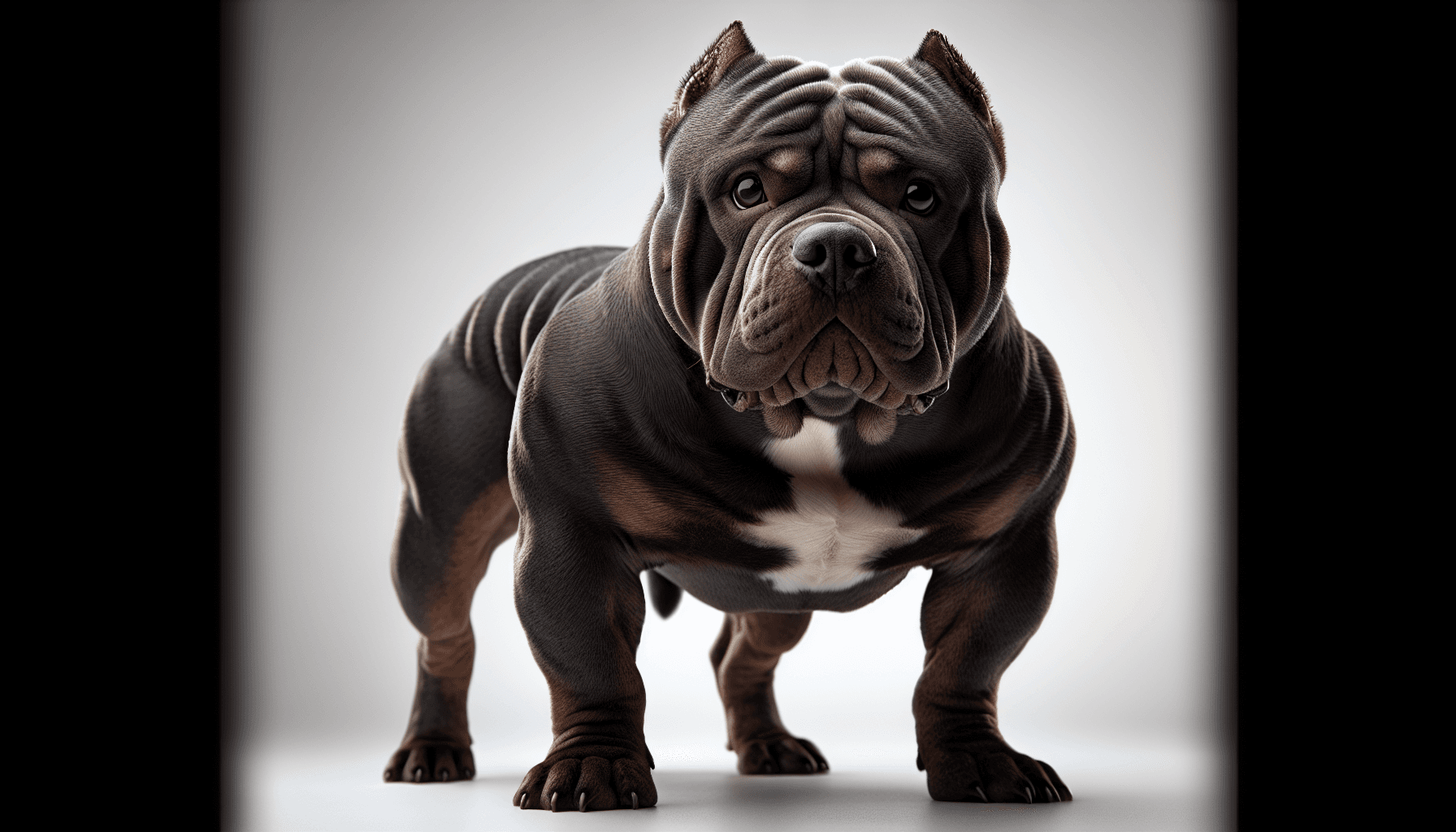
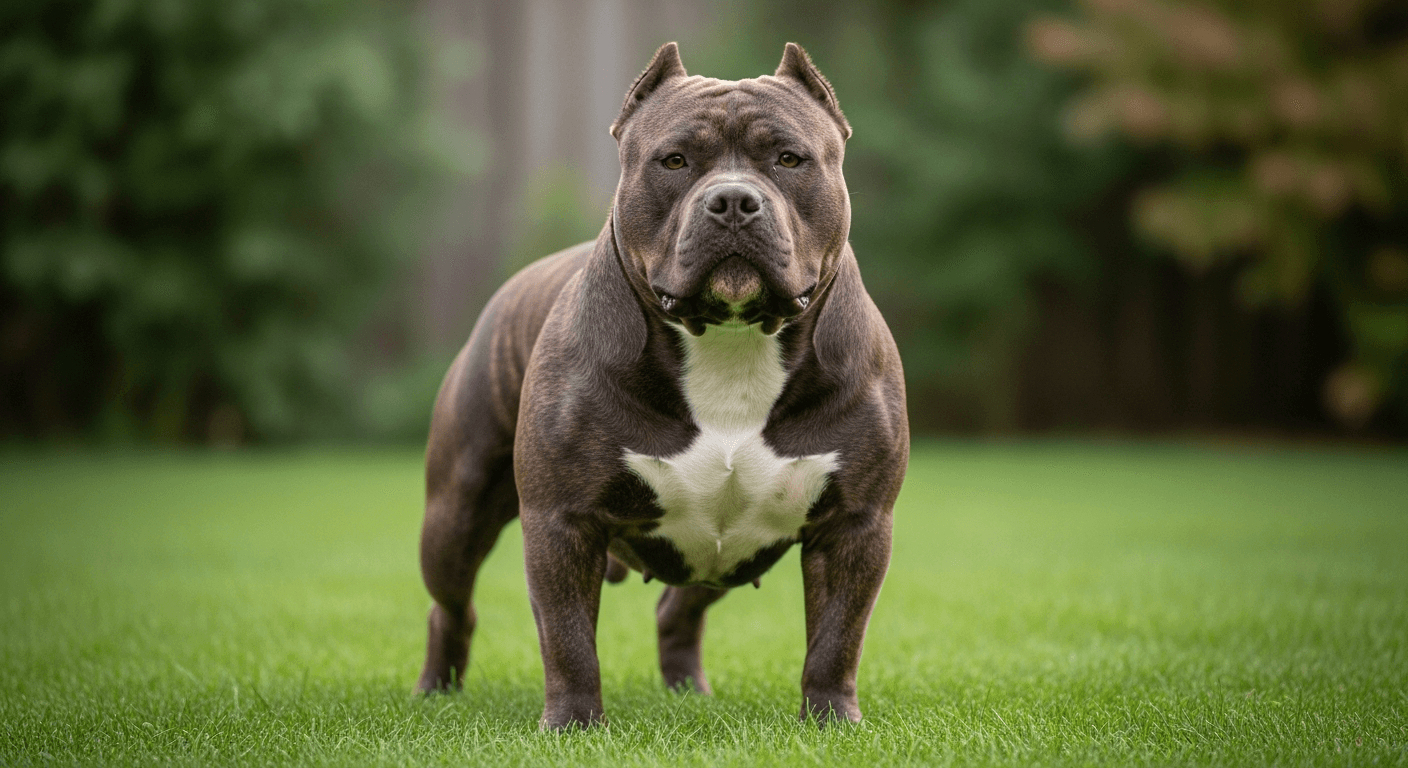
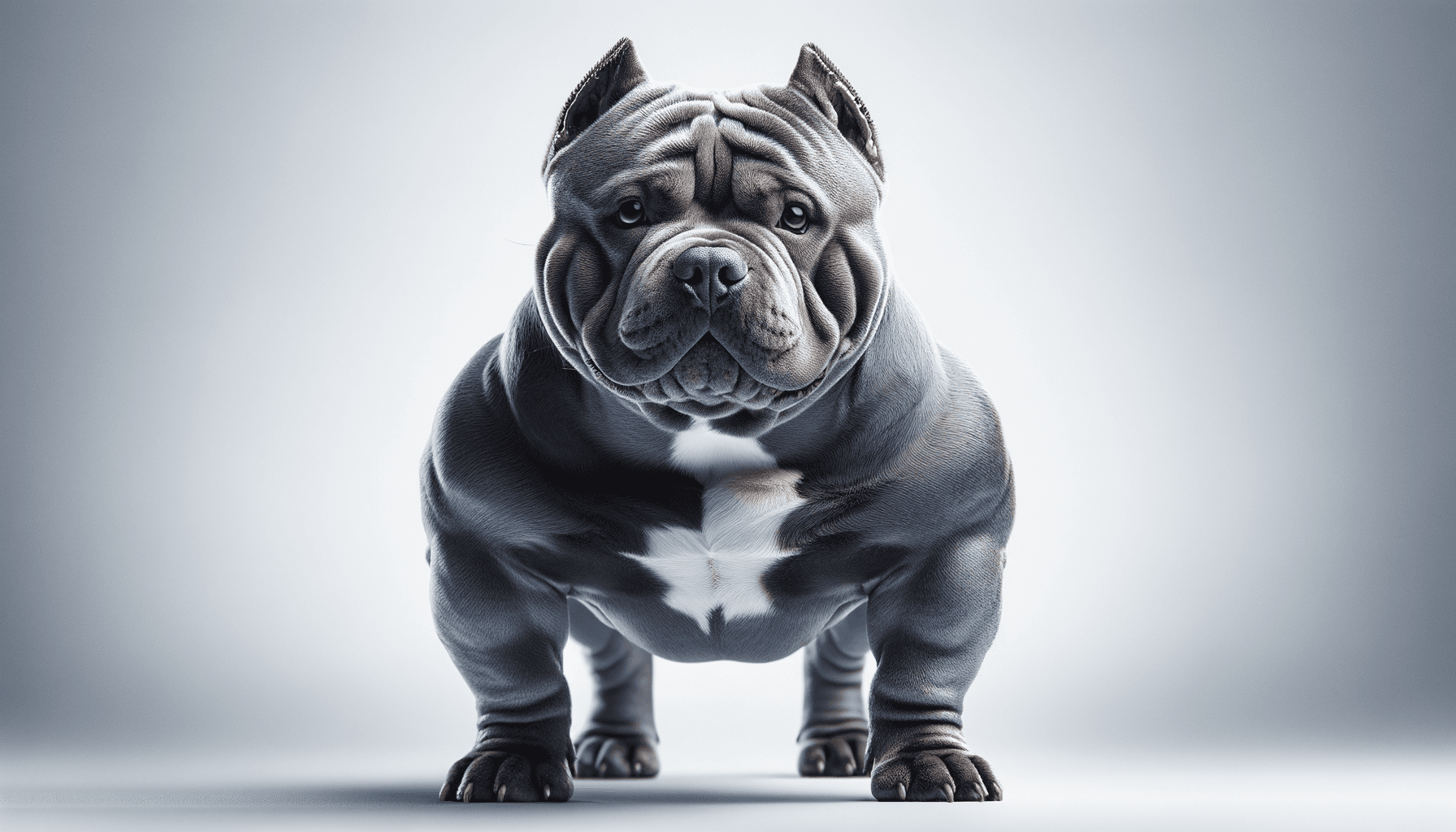
Build: Extremely muscular and stocky with a wide chest. The body is compact but powerful, with a lot of bulk for their height. Short, thick legs that look like they could support a truck.
Head: Broad and blocky with a short muzzle. The head is one of the most striking features, it's massive relative to body size.
Coat: Short, smooth, and low maintenance. They come in tons of colors: blue, lilac, tri-color, merle, fawn, you name it.
Movement: Despite their build, quality Pocket Bullies move smoothly. You don't want to see them waddling or struggling. That's a sign of poor breeding or structural issues.
One thing I always tell people: if a Pocket Bully looks uncomfortable moving around, that's a red flag. Good breeders prioritize movement and health, not just looks.
Temperament and Personality
This is where Pocket Bullies really shine. I'm not exaggerating when I say they have some of the best personalities in the dog world.
With Family: Incredibly affectionate and loyal. They're velcro dogs, they want to be wherever you are. Great with kids when properly socialized. Gentle giants in a small package.
With Other Pets: This varies. Some are dog-friendly, others have that typical bully breed selectiveness with other dogs. Early socialization is key.
Energy Level: Moderate. They're not hyperactive, but they're not couch potatoes either. They need regular exercise, but they're not going to run marathons with you.
Guarding: Naturally protective without being aggressive. They'll alert you to strangers but shouldn't be hostile without reason.
Honestly, the temperament is why I recommend Pocket Bullies to so many people. They've got the loyalty and companionship you want without the size challenges of larger bullies.
Health Considerations
Let's talk real here. Pocket Bullies, like all bully breeds, have some health concerns you need to know about before committing.
Common Issues:
Hip dysplasia: The compact build can put stress on joints. Reputable breeders do hip scoring.
Breathing problems: The short muzzle can cause brachycephalic issues. Watch for overheating and difficulty breathing.
Skin conditions: Allergies are common. You might deal with itchy skin or hot spots.
Eye problems: Cherry eye and other issues can pop up.
Heart conditions: Some lines have higher rates of heart disease.
Here's my take: if you buy from a breeder who health tests, provides guarantees, and prioritizes structure over extreme looks, you're way ahead of the game. The Pocket Bullies with the most health issues are usually from breeders chasing Instagram-worthy extremes rather than healthy, functional dogs.
I've seen healthy Pocket Bullies live 10 to 12 years with proper care. The key is choosing your breeder carefully and staying on top of vet visits.
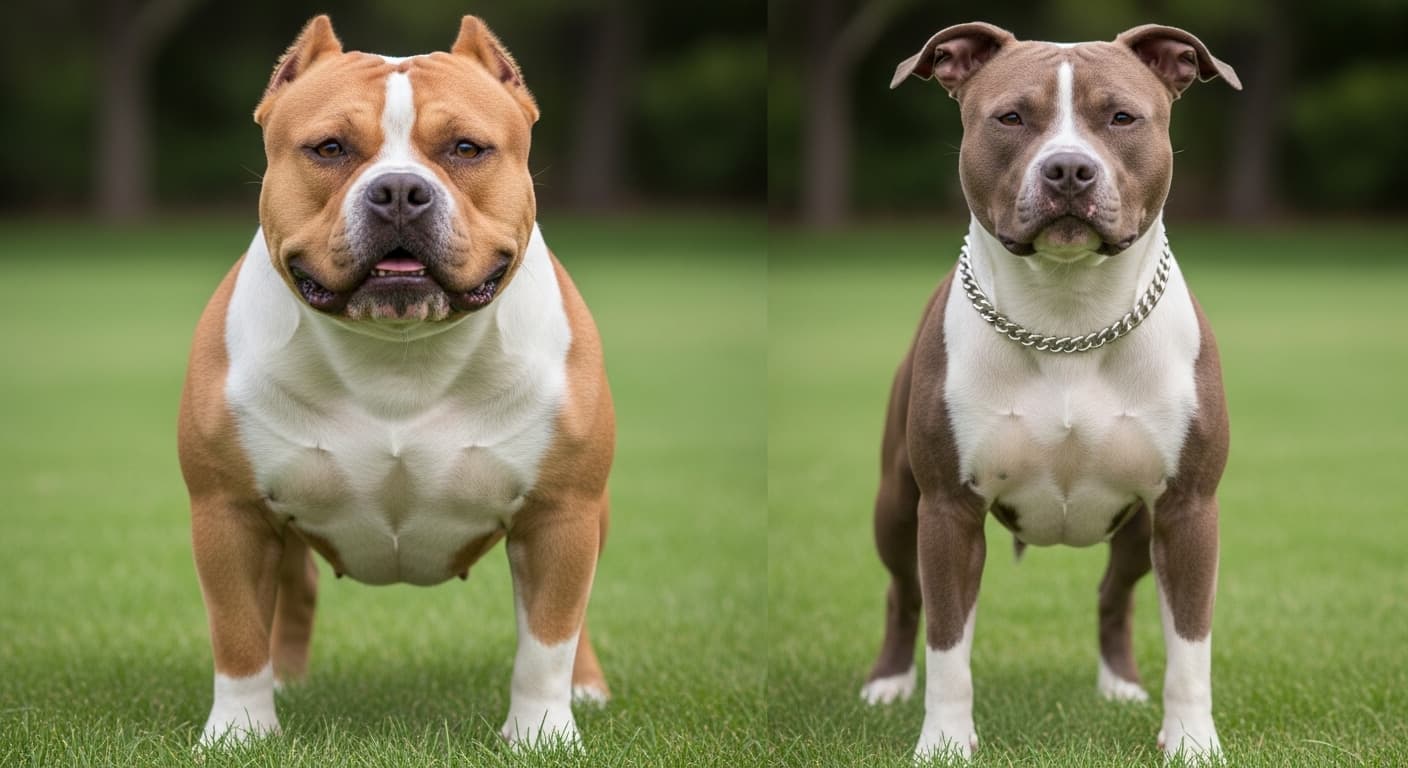
Pocket Bully vs. Standard American Bully
People ask me this constantly. "Should I get a Pocket or a Standard?"
The main difference is size. That's it. Temperament, personality, care needs are basically the same. It comes down to your living situation and personal preference.
Go Pocket if:
- You live in an apartment or smaller home
- You want easier travel with your dog
- You prefer a dog that's easier to physically manage
- You like the compact, muscular look
Go Standard if:
- You have more space
- You want a slightly more imposing presence
- You prefer the larger size
- You're not as concerned about portability
Neither is "better." It's purely about what fits your lifestyle.
Price: What You'll Pay
Okay, let's talk money because Pocket Bullies aren't cheap.
Expect to pay anywhere from $2,000 to $10,000+ for a quality Pocket Bully puppy. I've seen extreme cases go for $20,000 or more, but that's usually for show-quality dogs from champion bloodlines.
Why so expensive?
Quality breeding is costly. Health testing, proper nutrition, vet care, and time all add up.
Demand is high. Pocket Bullies are trendy right now, and popularity drives prices up.
Breeding challenges. Many Pocket Bullies require artificial insemination and C-sections, which aren't cheap.
Here's my advice: don't shop based on price alone. A $1,500 Pocket Bully from a backyard breeder might seem like a deal until you're spending thousands on vet bills for preventable genetic issues.
Finding a Reputable Breeder
This is critical. The difference between a great Pocket Bully and a nightmare is almost always the breeder.
Red Flags:
- No health testing or guarantees
- Won't let you visit
- Multiple litters available at once
- Extreme features (super short muzzles, excessive wrinkles, can't move properly)
- Selling puppies before 8 weeks
- No questions about your lifestyle or experience
Green Flags:
- Full health testing (hips, elbows, genetic panels)
- Written health guarantee
- Asks YOU lots of questions
- Actively involved in the breed community
- Dogs move well and look healthy, not just "aesthetic"
- Transparent about potential issues
I can't stress this enough: take your time finding the right breeder. A good breeder is a resource for life, not just a transaction.
Is a Pocket Bully Right for You?
Let me be straight with you. Pocket Bullies are amazing dogs, but they're not for everyone.
You'll love a Pocket Bully if:
- You want a loyal, affectionate companion
- You can commit to regular exercise and mental stimulation
- You're prepared for potential health costs
- You have time for training and socialization
- You want a dog that's manageable in size but big in personality
Think twice if:
- You're renting and have breed restrictions (bully breeds face discrimination)
- You're not prepared for potential health issues
- You want a low-maintenance, independent dog
- You can't afford quality vet care
- You're not willing to invest in training
My Final Thoughts
The Pocket Bully is an incredible variety of the American Bully breed. They pack all the personality, loyalty, and companionship of larger bullies into a more manageable package.
But here's the truth: they're not accessories, they're not status symbols, and they're not low-maintenance pets. They're dogs that need responsible ownership, quality care, and commitment.
If you're willing to put in the work, find a reputable breeder, and prioritize health over hype, a Pocket Bully can be one of the best decisions you'll ever make. They're goofy, loving, loyal to a fault, and they'll stick by your side through everything.
Just make sure you're ready for a 60-pound lap dog who thinks they're still a puppy no matter how old they get. Because that's exactly what you're signing up for, and honestly, I wouldn't have it any other way.
Got questions about Pocket Bullies? Drop a comment below. I'm always happy to talk bullies.