American Bully vs Pitbull: Complete Breed Comparison (2026)
People confuse my American Bully for a Pitbull constantly. Here is the real difference.
I can't tell you how many times I've been at the dog park and heard someone say, "Nice Pitbull!" when Tank, my American Bully, is standing right there.
I used to correct people. Now I just smile and say thanks. But if you're trying to decide between these two breeds, or you just want to know the actual difference, I've got you covered.
Quick answer: American Bullies and Pitbulls are related but distinct breeds. Pitbulls (American Pit Bull Terriers) are athletic, lean, and energetic. American Bullies are stockier, more muscular, and bred specifically for temperament and companionship. Both are loving, loyal, and often misunderstood.
The History: Where These Breeds Come From
American Pit Bull Terrier (APBT) History
Pitbulls were originally bred in 19th-century England by crossing Bulldogs with Terriers. The goal? Create a dog with the strength of a Bulldog and the tenacity of a Terrier.
These dogs were brought to America in the late 1800s and used for farm work, hunting, and unfortunately, blood sports like bull-baiting (which is now illegal everywhere, thank God).
Over time, American breeders refined the APBT into an athletic, versatile working dog. They were famously used as military mascots, family guardians, and even nanny dogs in the early 1900s.
The reputation problem: Despite their loyal, people-loving nature, Pitbulls became associated with dog fighting and aggression due to irresponsible owners and media sensationalism. This stigma persists today, even though breed-specific temperament studies show they're no more aggressive than Golden Retrievers.
American Bully History
The American Bully is the new kid on the block. This breed was developed in the 1980s and 90s, primarily in the United States.
Breeders took American Pit Bull Terriers and crossed them with American Staffordshire Terriers, English Bulldogs, and other bully breeds. The goal? Create a companion dog with the loyalty and confidence of a Pitbull but a more stable, family-friendly temperament and a stockier, more muscular build.
The American Bully was officially recognized as its own breed by the United Kennel Club (UKC) in 2013 and the American Bully Kennel Club (ABKC) in 2004.
Why they're often confused: Both breeds share common ancestry and similar facial features, so people lump them together. But they were bred for different purposes, which shows in their appearance and behavior.
Physical Differences: Side-by-Side Comparison
| Feature | American Pit Bull Terrier | American Bully |
|---|---|---|
| Height | 17-21 inches | 13-23 inches (varies by class) |
| Weight | 30-60 lbs | 30-150 lbs (varies by class) |
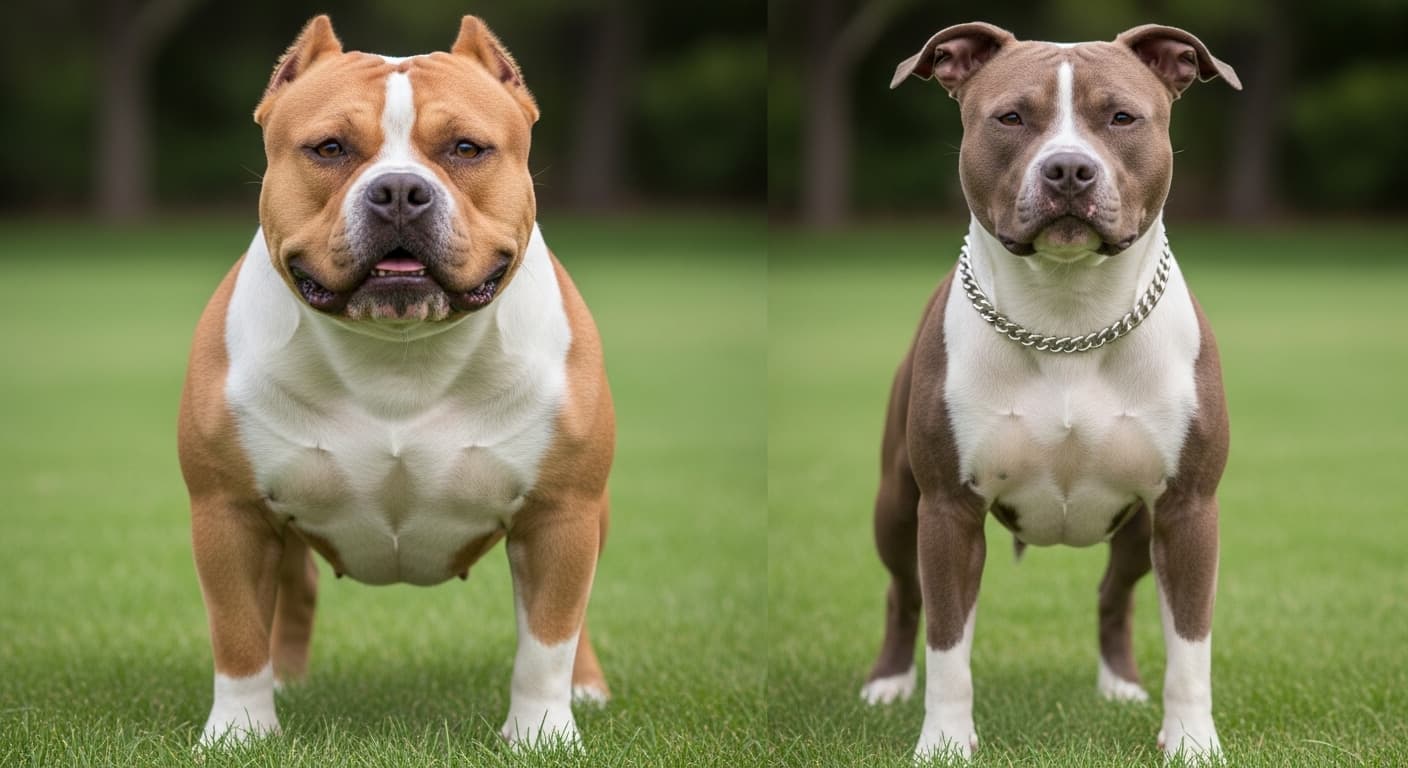
| Build | Lean, athletic, agile | Stocky, muscular, compact |
| Head | Wedge-shaped, proportional | Large, blocky, wide |
| Chest | Deep but narrow | Extremely broad and deep |
| Legs | Long, muscular | Shorter, very muscular |
| Coat | Short, smooth | Short, smooth (same) |
| Colors | All colors except merle | All colors including tri-color, merle |
| Tail | Straight, tapered | Straight, low-set |
| Overall look | Runner/athlete | Bodybuilder/powerlifter |
What This Means in Real Life
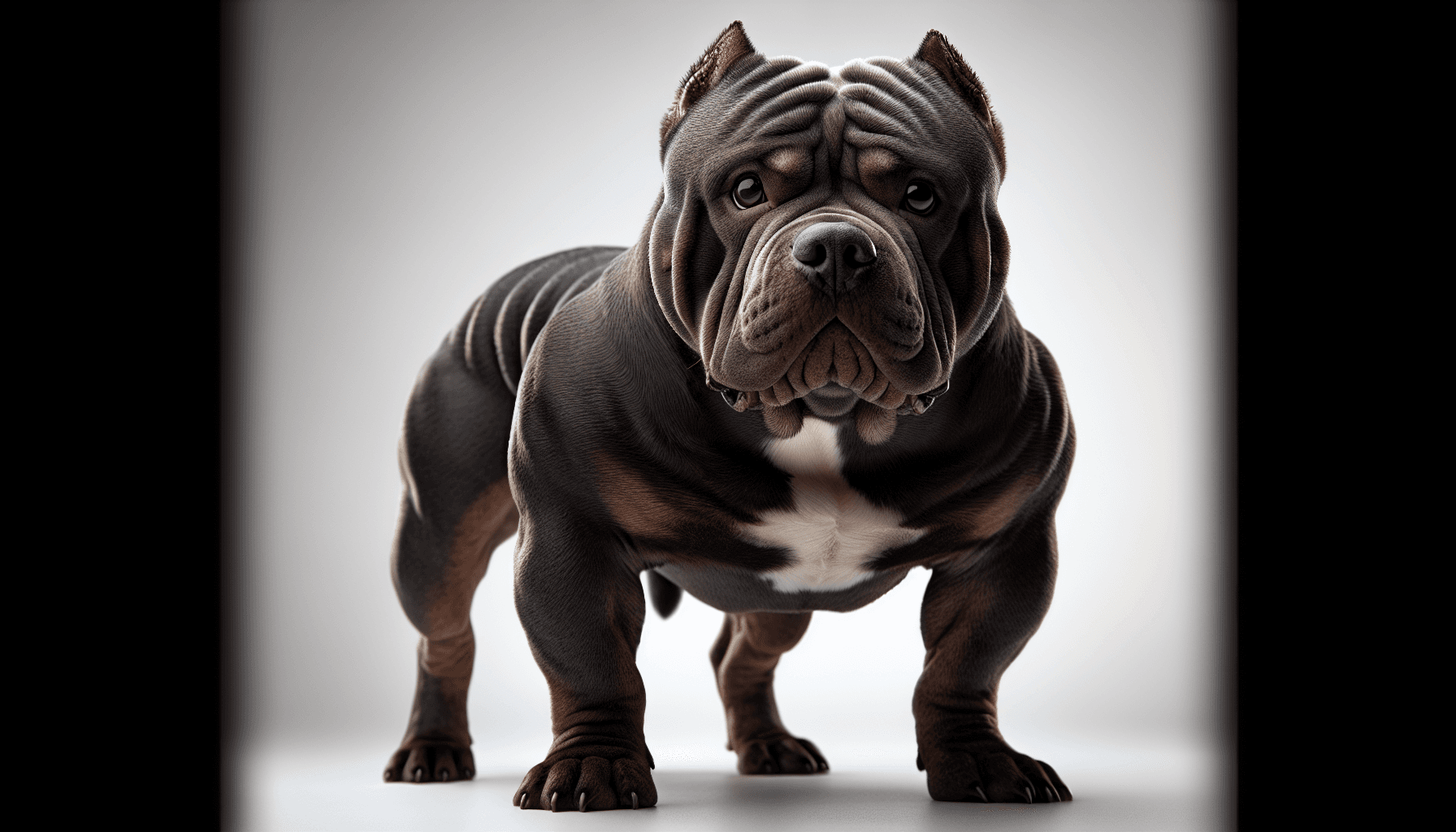
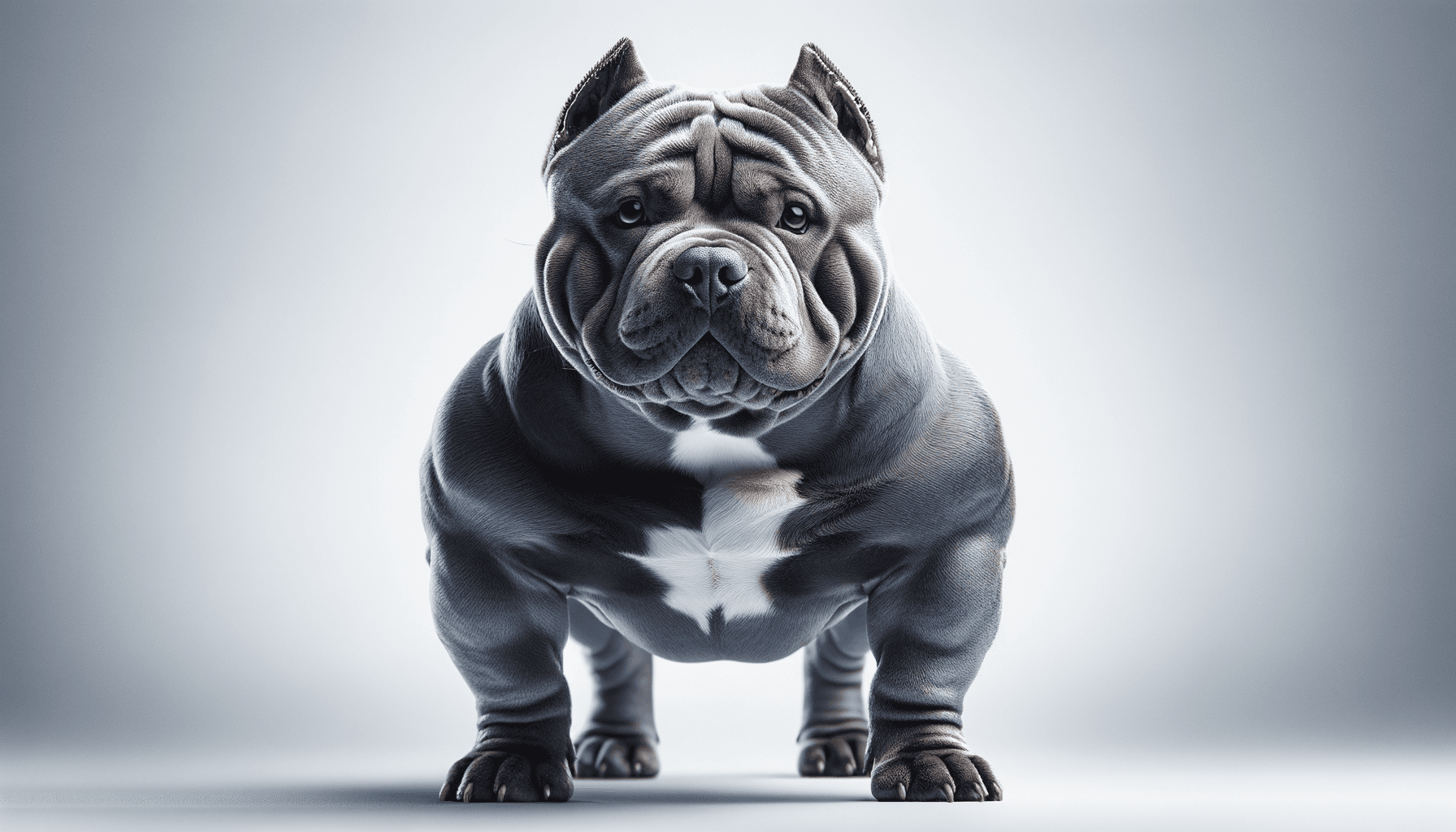
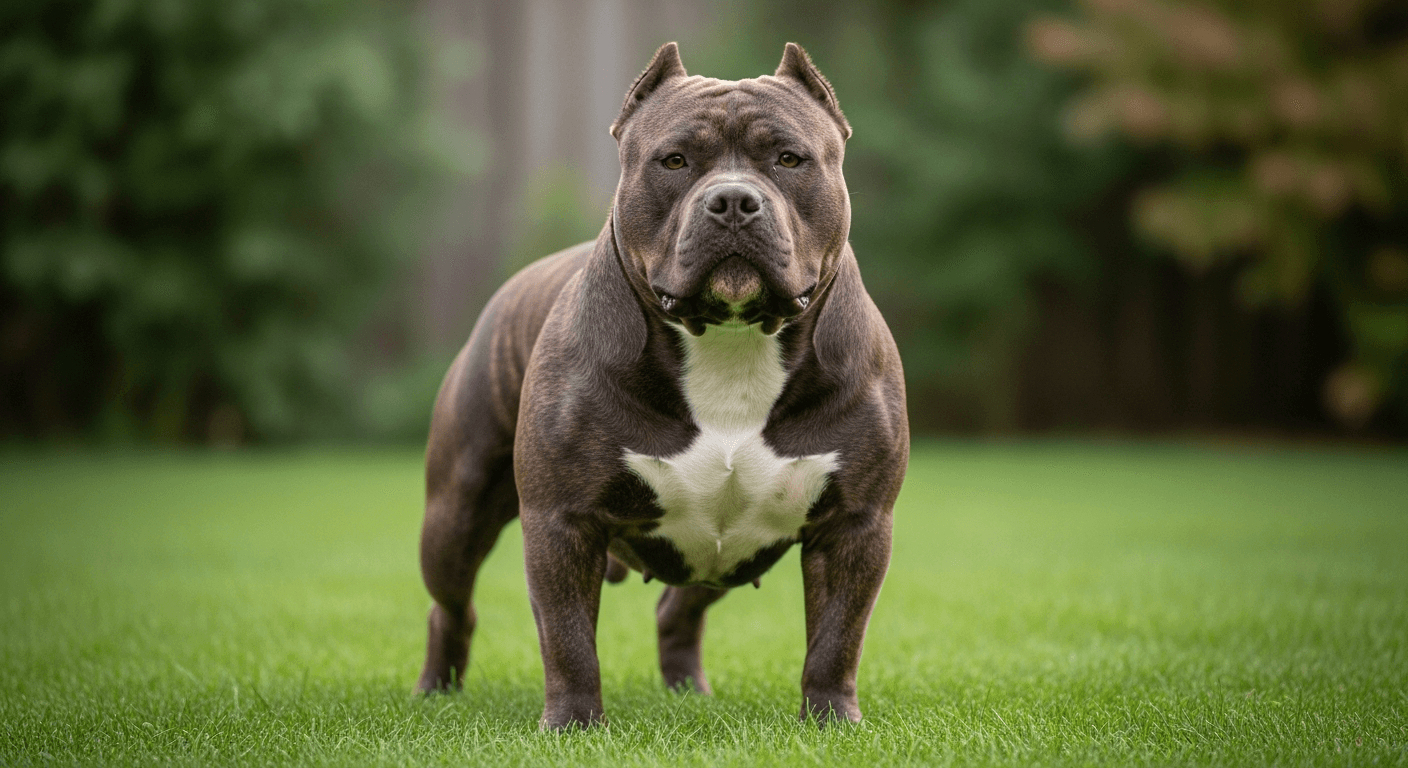
Tank, my American Bully, weighs 80 pounds and is built like a cinder block with legs. My neighbor's Pitbull, Rocky, weighs 55 pounds and looks like he could run a marathon. Same family tree, totally different body types.
If you see a compact, super-muscular dog with a wide head, it's probably an American Bully. If you see a leaner, athletic dog that looks ready to sprint, it's more likely a Pitbull.
The confusion comes from the fact that both breeds can have similar coloring and facial structure, but the build gives it away every time.
American Bully Size Classes (Yes, Really)
Here's where it gets interesting. The American Bully breed actually comes in four official size classes:
1. Pocket Bully
- Height: 13-17 inches
- Weight: 30-50 lbs
- Description: Same muscular build, just shorter. Think fire hydrant with a heartbeat.
2. Standard Bully
- Height: 17-20 inches (male), 16-19 inches (female)
- Weight: 50-85 lbs
- Description: The "default" American Bully. This is what most people picture. Tank is a Standard.
3. Classic Bully
- Height: Same as Standard
- Weight: 50-80 lbs
- Description: Lighter build than Standard, less extreme muscle mass. Closer to the original APBT body type.
4. XL Bully
- Height: 20-23 inches (male), 19-22 inches (female)
- Weight: 85-150+ lbs
- Description: The giants. Absolutely massive. These are the dogs that make people cross the street.
Important note: The XL Bully has been banned in some countries (like the UK) due to high-profile attacks. This is controversial, many argue it's an ownership problem, not a breed problem. Regardless, it's something to be aware of.
Pitbulls don't have size classes. They're a single breed standard.
Temperament & Personality
American Pit Bull Terrier Temperament
Energy level: High. These dogs are athletes. They need serious exercise, we're talking 1-2 hours a day, minimum.
Personality traits:
- Confident: Fearless and bold, which can translate to stubbornness
- Energetic: Always ready to play, run, or work
- Loyal: Forms deep bonds with their family
- Driven: Highly motivated, which makes training easier but also means they need a job
- People-oriented: Love humans, even strangers (terrible guard dogs, honestly)
- Dog-aggressive tendencies: Some Pitbulls have dog-to-dog aggression due to their terrier heritage. Not all, but it's common enough to mention.
Best for: Active owners, experienced dog handlers, people who want a running or hiking partner.
American Bully Temperament
Energy level: Moderate. Tank is happy with a 45-minute walk and some yard time. He's not trying to run a 10K with me.
Personality traits:
- Calm: Way more chill than Pitbulls. Tank naps 60% of the day.
- Affectionate: Velcro dogs. Tank follows me room to room.
- Confident but gentle: Bred specifically for stable temperament
- People-focused: Loves everyone, family, kids, strangers, the mailman
- Lower prey drive: Less likely to chase cats/squirrels than a Pitbull
- Dog-friendly (usually): Generally better with other dogs than Pitbulls, though early socialization is still critical
Best for: Families, first-time bully breed owners, people who want a companion more than a working dog.
My Honest Take
I chose an American Bully specifically because I wanted a confident, loyal dog that wasn't bouncing off the walls 24/7. Tank is the perfect couch potato who also loves a good hike.
If I was a runner or wanted a dog for agility training, I'd probably have chosen a Pitbull. They're sharper, more intense, and driven. American Bullies are... softer. Not physically, Tank could probably pull a car, but mentally. He's a gentle giant.
Both breeds are incredibly loyal. Both love their families fiercely. The difference is energy and intensity.
Health & Lifespan
American Pit Bull Terrier Health
Lifespan: 12-16 years (one of the longer-lived bully breeds)
Common health issues:
- Hip dysplasia: Joint issues, especially in poorly bred dogs
- Allergies: Skin and food allergies are common
- Heart disease: Particularly aortic stenosis
- Thyroid issues: Hypothyroidism
Why they're healthier: Pitbulls are closer to their working dog roots, so they haven't been over-bred for extreme features. Their lean build puts less strain on joints.
American Bully Health
Lifespan: 10-12 years (shorter than Pitbulls due to size and structure)
Common health issues:
- Hip and elbow dysplasia: The extreme muscle mass and short legs create joint stress
- Brachycephalic issues: Especially in Bullies with shorter muzzles, breathing problems, overheating
- Heart disease: Enlarged hearts are relatively common
- Skin issues: Allergies and skin-fold infections
- Bloat: Deep-chested breeds are prone to gastric torsion (life-threatening)
- Cherry eye: Eyelid issues
The XL problem: XL Bullies tend to have more health issues than Standards due to their size. Bigger doesn't always mean better.
Tank's health: I spend about $800/year on his routine vet care (checkups, preventatives, etc.). He's had minor skin allergies but nothing major. I feed him high-quality food, keep him at a healthy weight, and make sure he gets exercise without overdoing it (joint health is critical for heavy dogs).
Health Comparison Summary
Pitbulls are generally healthier and live longer. American Bullies are prone to more structural issues due to their exaggerated build. If longevity and low vet bills are priorities, the APBT wins.
That said, a well-bred American Bully from health-tested parents can live a long, healthy life. Don't cheap out on a backyard breeder.
Exercise & Training Needs
Exercise Requirements
Pitbulls: Need 60-120 minutes of exercise daily. Running, fetch, agility, weight pull, they want to work. Under-exercised Pitbulls become destructive.
American Bullies: Need 30-60 minutes daily. A good walk, some playtime, and Tank is happy. He's not trying to run marathons. Too much intense exercise can actually harm their joints.
My routine with Tank: Two 20-30 minute walks per day, plus 15 minutes of fetch or tug. On weekends, we hike for 60-90 minutes. That's enough to keep him fit without stressing his joints.
Training & Intelligence
Both breeds are smart and trainable, but they learn differently.
Pitbulls: High drive makes training easier, they want to work. Food, toys, praise, they're all-in. But that drive can also mean stubbornness if they don't see the point of a command.
American Bullies: Food motivated and people-pleasing, but less intense than Pitbulls. Tank learned sit, stay, and down in a week. But he's also perfectly content to ignore me if there's something more interesting happening.
Pro tip: Both breeds respond best to positive reinforcement. Harsh corrections backfire, they're sensitive despite the tough exterior.
Which Breed Is Right for You?
Choose an American Pit Bull Terrier If:
- You're an active person who runs, hikes, or does dog sports
- You want a high-energy, driven dog
- You have experience with strong-willed breeds
- You're prepared for potential dog-to-dog aggression (early socialization is critical)
- You want a longer-lived, generally healthier breed
- You don't mind the stigma (breed-specific legislation can affect housing and insurance)
Choose an American Bully If:
- You want a loyal, affectionate companion more than a working dog
- You prefer a calmer, lower-energy dog
- You're a first-time bully breed owner
- You have kids or other pets (generally more tolerant than Pitbulls)
- You want that muscular, intimidating look without the high-strung personality
- You're prepared for potential health issues (and the vet bills that come with them)
What I Tell People Considering Either Breed
Both breeds have unfair reputations. People will cross the street. Landlords will reject you. Insurance companies will charge more. If you're not prepared for that reality, reconsider.
Socialization is non-negotiable. Whether you get a Pitbull or a Bully, they need early, consistent socialization with people, dogs, and environments. A poorly socialized bully breed is a liability.
Training is non-negotiable. These are strong dogs. Tank weighs 80 pounds. If he didn't have solid obedience training, I couldn't control him. Invest in professional training if you're a first-timer.
Budget for quality care. Food, vet bills, training, equipment, bully breeds aren't cheap. Tank costs me about $150/month between food, preventatives, and incidentals.
Be a responsible ambassador. Every time your Pitbull or Bully misbehaves in public, you reinforce the stereotype. Every time they're well-behaved, you change minds. Take that seriously.
Frequently Asked Questions
Are American Bullies aggressive?
No more than any other breed. American Bullies were specifically bred for stable, family-friendly temperament. Tank has never shown aggression toward a person in five years. That said, any dog can become aggressive with poor training, abuse, or lack of socialization.
Which is stronger, Pitbull or American Bully?
Pound for pound, they're similar. But American Bullies tend to weigh more, so in absolute terms, a Standard or XL Bully is stronger than the average Pitbull. Tank's bite force is no joke, which is why training is critical.
Can Pitbulls and American Bullies live together?
Yes, but it depends on the individual dogs. I know families with both. Proper introductions and ongoing management are key. Some Pitbulls have dog-to-dog aggression issues that make multi-dog households challenging.
Are American Bullies banned anywhere?
Yes. The UK banned XL Bullies in 2024 after a series of attacks. Some U.S. cities and counties have breed-specific legislation that includes "Pit Bull-type dogs," which can encompass American Bullies. Always check local laws before getting one.
Which breed is better with kids?
Generally, American Bullies are better with kids due to their calmer temperament and higher tolerance. Tank is incredible with my niece and nephew, patient and gentle. Pitbulls can be great with kids too, but their higher energy and intensity require more supervision.
Do American Bullies shed?
Yes, both breeds shed year-round (short-haired dogs still shed). Tank sheds like crazy. I brush him weekly and vacuum daily. It's not Golden Retriever-level shedding, but it's noticeable.
Which is better for first-time dog owners?
American Bully, hands down. They're more forgiving, calmer, and easier to manage. Pitbulls are better for experienced owners who can handle their drive and energy.
Final Thoughts
At the end of the day, American Bullies and Pitbulls share DNA, but they're different dogs bred for different purposes.
Pitbulls are athletes, lean, driven, and energetic. They want to run, work, and have a job. They're incredible dogs for the right owner.
American Bullies are companions, stocky, calm, and affectionate. They want to be with you, whether that's on the couch or on a hike. They're incredible dogs for a different kind of owner.
I chose Tank (an American Bully) because I wanted a loyal companion who matched my moderately active lifestyle. I love his calm demeanor, his goofy personality, and the way he leans his 80-pound body into me when he wants attention.
Would I love a Pitbull too? Absolutely. But for me, the American Bully was the right fit.
Figure out what you want in a dog, energy level, temperament, exercise needs, and choose accordingly. Both breeds are amazing. Both are loyal. Both are misunderstood.
And both deserve responsible, committed owners who will train them, socialize them, and represent them well.
If you're ready for that, you'll have a best friend for life, whether they're 55 pounds of pure athleticism or 80 pounds of cuddly muscle.
Now, if you need help finding the right gear for your Pitbull or Bully, check out my guide to the best harnesses for strong dogs. Because whether you choose an APBT or an American Bully, you're going to need solid equipment.