Micro Bully: The Controversial Miniature American Bully Explained
Everything you need to know about Micro Bullies: size, health concerns, ethical breeding, price, and whether this controversial miniature breed is right for you.
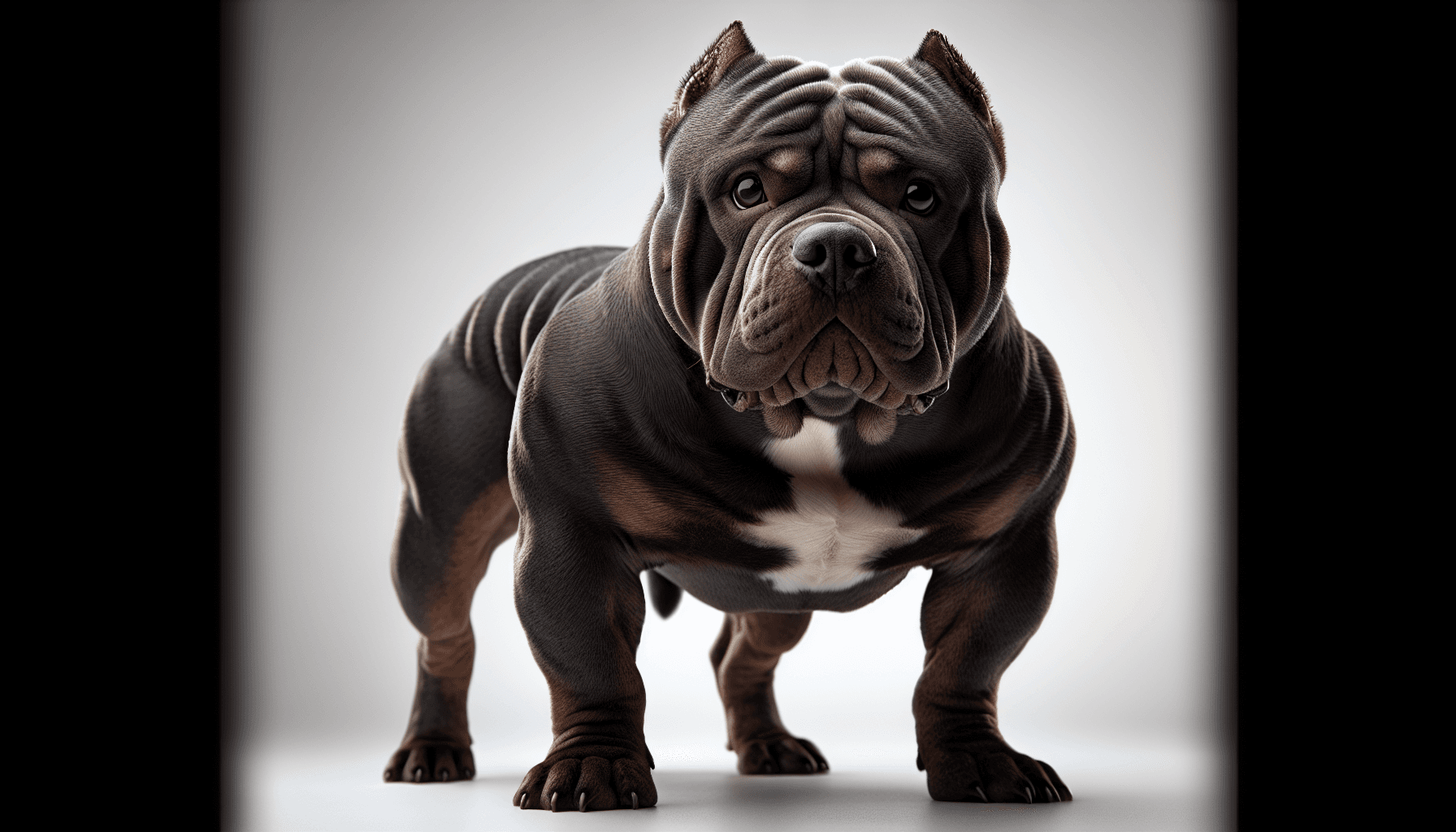
If you've spent any time on social media lately, you've probably seen photos of these incredibly tiny, muscular dogs that look like someone shrank an American Bully in the wash. These are Micro Bullies, and honestly, they're probably the most controversial topic in the bully breed world right now.
I get asked about Micro Bullies constantly. People want to know if they're real, if they're healthy, why they cost so much, and whether they're just a designer fad that will fade away. Let me give you the real talk on these miniature powerhouses, because there's a lot of misinformation out there.
In my years working with bully breeds, I've watched the Micro Bully go from a rare novelty to a full-blown phenomenon. And with that popularity has come plenty of debate about ethics, health, and what we're doing to these dogs in the name of aesthetics.
What Is a Micro Bully?
Let's start with the basics. A Micro Bully is an extremely small version of the American Bully breed. Unlike Pocket Bullies, which are a recognized size variety with specific standards, Micro Bullies exist in a bit of a gray area.
The American Bully Kennel Club (ABKC) recognizes four official sizes: Pocket, Standard, Classic, and XL. Micro Bullies are not officially recognized as a separate category by major kennel clubs. Instead, they're typically Pocket Bullies that have been selectively bred to be at the extreme low end of the size range, or even smaller.
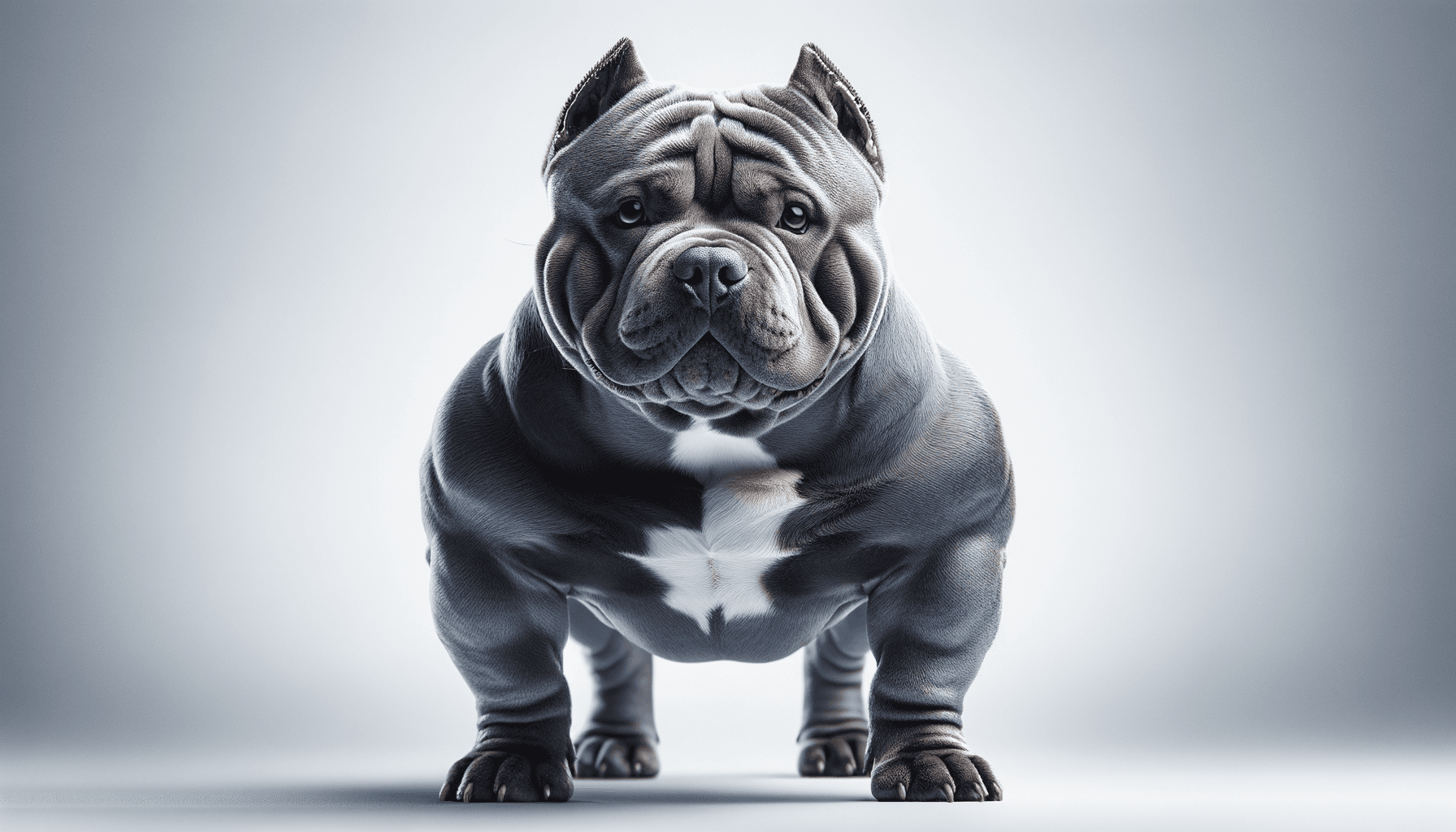
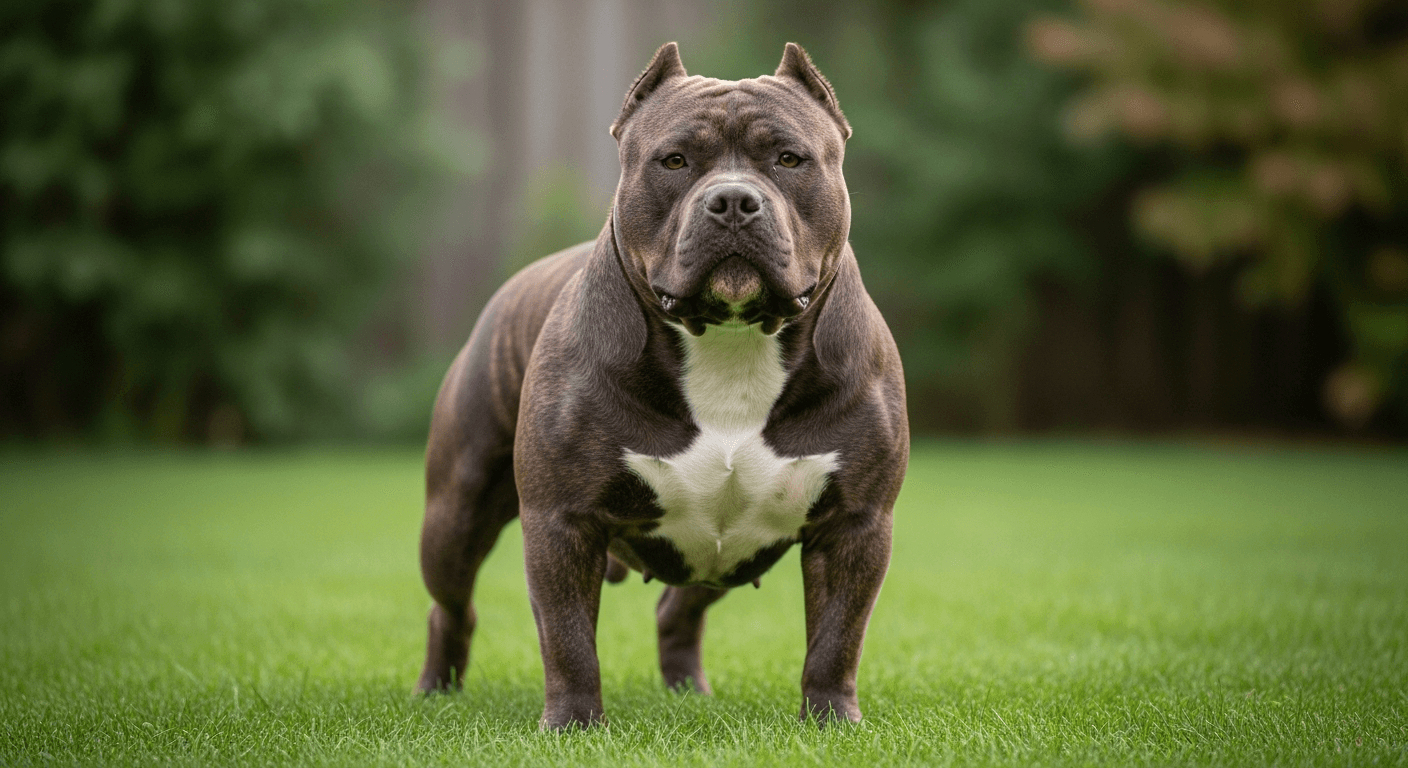
In practical terms, a Micro Bully usually stands under 13 inches at the shoulder and weighs between 25 to 40 pounds. Some are even smaller. But here's the thing, they're not just small. They're supposed to maintain all the bully characteristics: the wide chest, the blocky head, the muscular build, just in a much smaller package.
The challenge? Getting all that muscle and bone density into such a small frame creates some serious structural challenges. And that's where the controversy begins.
The Size and Weight Breakdown
Let me give you the numbers so you know exactly what we're talking about.
Height: Most Micro Bullies measure between 10 to 13 inches at the withers (shoulders). Compare that to Pocket Bullies at 13-17 inches, and you see we're talking about a significant size reduction.
Weight: Despite their tiny stature, Micro Bullies are dense. We're talking 25 to 40 pounds of pure muscle in a dog that stands barely a foot tall. That density is part of what makes them visually striking, but it's also part of what creates health challenges.
Build: The extreme look comes from combining short legs with a wide chest and heavy bone structure. Think bulldog proportions but taken to the extreme. Some have legs so short and bodies so wide that their movement is compromised.
I remember the first time I saw a Micro Bully in person. The photos online don't really capture how compact they are. This dog looked like a bodybuilder that had been shrunk down, complete with the exaggerated chest and short, thick legs. It was impressive visually, but I immediately wondered about mobility and breathing.
Why Are Micro Bullies So Controversial?
Here's where we get into the heated debates. The Micro Bully isn't just controversial, it's polarizing. You have breeders who swear by them and animal welfare advocates who think they're an ethical nightmare. Let me break down both sides.
The Pro-Micro Argument:
Breeders and enthusiasts argue that Micro Bullies are just the natural evolution of selective breeding. They point out that all dog breeds were created through human selection for specific traits. Pugs, Bulldogs, Dachshunds, all have extreme proportions bred into them over centuries.
They also emphasize responsible breeding practices. Good Micro Bully breeders, they claim, prioritize health testing, proper structure, and functional movement. They argue that a well-bred Micro Bully can be healthy and happy.
The appeal is obvious: all the bully look and personality in a package that's easier to manage in apartments, easier to travel with, and requires less space. For urban dwellers who love the bully aesthetic, it's an attractive option.
The Anti-Micro Argument:
Critics argue that Micro Bullies represent breeding for extreme aesthetics at the expense of health and welfare. They point to several specific concerns.
First, the structural issues. Dogs with such short legs and wide chests often struggle with basic movement. They waddle instead of walk. They can't run properly. Stairs become challenging. This isn't just about aesthetics, it's about quality of life.
Second, the breathing problems. The extreme shortening of the muzzle in many Micro Bullies creates brachycephalic issues. These dogs struggle to breathe, especially in heat or during exercise. It's not uncommon to see Micro Bullies gasping after minimal activity.
Third, the birthing complications. Many Micro Bullies require C-sections because the puppies' heads are too large to pass through the birth canal naturally. This raises serious ethical questions about breeding dogs that can't reproduce without surgical intervention.
Fourth, the genetic health issues. The gene pool for Micro Bullies is relatively small, which means inbreeding and genetic problems are more common. Hip dysplasia, heart conditions, and skin issues are prevalent.
Honestly? Both sides have valid points. I've seen Micro Bullies that seemed relatively healthy and functional. I've also seen ones that struggled to breathe walking across a room. The difference usually comes down to breeder ethics and how extreme the proportions are.
Health Issues in Micro Bullies
Let's talk about health, because this is where potential owners need to be informed. Micro Bullies face several elevated health risks compared to standard American Bullies.
Brachycephalic Airway Syndrome:
The shortened muzzle that gives Micro Bullies their characteristic flat face comes at a cost. These dogs often have narrowed nostrils, elongated soft palates, and narrowed windpipes. The result? Difficulty breathing, especially during exercise or in hot weather.
In severe cases, dogs can struggle to get enough oxygen even at rest. You might hear loud breathing, snorting, or gasping. These dogs are at risk of overheating and respiratory distress. Some require surgical correction to breathe properly.
Hip and Elbow Dysplasia:
The extreme proportions of Micro Bullies put unusual stress on their joints. Short legs supporting a heavy, wide body creates biomechanical problems. Hip and elbow dysplasia are common, leading to arthritis, pain, and mobility issues as the dog ages.
Intervertebral Disc Disease (IVDD):
The long back and short legs that some Micro Bullies exhibit create spinal stress. IVDD occurs when the cushioning discs between vertebrae bulge or rupture, pressing on the spinal cord. It can cause pain, paralysis, and requires expensive surgery.
Skin Conditions:
Like many bully breeds, Micro Bullies are prone to skin allergies and infections. The folds and wrinkles that give them character can trap moisture and bacteria, leading to dermatitis and hot spots.
Reproductive Issues:
I mentioned this earlier, but it's worth emphasizing. The large heads and broad shoulders that are desirable in Micro Bullies often make natural birth impossible. C-sections are routine in this variety, which raises serious welfare concerns.
Heart Conditions:
Some bloodlines have higher rates of heart disease, including pulmonic stenosis and other congenital defects. Regular cardiac screening is essential.
Lifespan Expectations:
Here's the uncomfortable truth. While a well-bred standard American Bully might live 10-12 years, Micro Bullies often have shorter lifespans. The health complications and structural issues can reduce their life expectancy to 6-9 years in some cases.
Does this mean every Micro Bully will have these problems? No. But the risk is elevated, and potential owners need to understand what they're getting into.
The Price of Micro Bullies: Why So Expensive?
If you've looked into buying a Micro Bully, you've probably experienced sticker shock. These dogs are expensive, often shockingly so. Let me explain why.
Puppy Prices:
Micro Bully puppies typically range from $5,000 to $20,000. Some extreme examples with champion bloodlines or rare colors can fetch $30,000 or more. That's not a typo. Thirty thousand dollars for a dog.
Compare that to a standard American Bully at $2,000-$5,000, or a Pocket Bully at $3,000-$8,000. Micro Bullies command premium prices.
Why the High Cost?
Several factors drive these prices. First, supply and demand. Micro Bullies are trendy right now, especially on social media. Everyone wants that Instagram-worthy compact bully. Limited supply from reputable breeders means high prices.
Second, breeding costs. Remember those C-sections I mentioned? They're expensive. Veterinary care for breeding Micro Bullies is more costly than for standard breeds. Artificial insemination is often required. Specialized care for puppies is needed.
Third, rarity of quality bloodlines. Truly healthy, well-structured Micro Bullies are rare. Breeders who prioritize health over extreme looks have invested heavily in their programs, and they charge accordingly.
Fourth, the hype cycle. Social media has created a feedback loop where high prices create perceived value, which drives demand, which justifies high prices. It's part fad, part status symbol.
Running Costs:
The purchase price is just the beginning. Micro Bullies often have higher ongoing costs than standard breeds. Veterinary bills for the health issues we discussed can add up quickly. Some require specialized diets. Many need air conditioning and climate control to manage their breathing difficulties.
Honestly, I always tell people to consider whether they could afford a $5,000 emergency vet bill. Because with a Micro Bully, that possibility is higher than with many other breeds.
Finding a Responsible Micro Bully Breeder
If, despite everything I've told you, you're still committed to getting a Micro Bully, finding a responsible breeder is absolutely critical. Here's what to look for.
Health Testing:
A responsible breeder will have health testing documentation for both parents. This should include hip and elbow evaluations, cardiac screening, and genetic testing for known issues. They should be transparent about any health problems in their lines.
Structure and Movement:
Watch the parent dogs move. Do they walk normally, or do they waddle and struggle? Can they navigate stairs? Do they breathe heavily after mild exercise? Parents with obvious structural or breathing issues will likely produce puppies with the same problems.
Breeding Ethics:
Ask about birthing practices. Do they plan C-sections for every litter, or can their dogs deliver naturally? Are they breeding for extreme proportions, or do they prioritize function alongside form?
Contract and Guarantees:
A good breeder offers a contract with health guarantees. They should be willing to take the dog back at any point if you can't keep it. They should provide ongoing support and advice.
References and Reviews:
Ask for references from previous buyers. Check online reviews and breed-specific forums. A breeder with nothing to hide will have satisfied customers willing to talk.
Red Flags:
Watch out for breeders who won't let you see the parents, who have multiple litters available constantly, who pressure you to buy immediately, or who can't provide health documentation. These are signs of puppy mills or backyard breeders.
My Honest Take:
Finding a truly ethical Micro Bully breeder is difficult. The very nature of breeding dogs this small and extreme works against health and welfare. If you find a breeder who prioritizes health over looks, who acknowledges the challenges, and who provides lifetime support, that's your best option. But don't compromise on ethics just to get the dog you want.
Micro Bully Temperament and Personality
Let's talk about what these dogs are actually like to live with, because despite all the health concerns, Micro Bullies do have appealing personalities.
With Family:
Micro Bullies are typically affectionate, loyal, and devoted to their families. They bond strongly with their owners and want to be involved in everything you do. Most are good with children when properly socialized, though their small size makes them vulnerable to accidental injury from rough play.
Energy Level:
Here's where their physical limitations actually help. Micro Bullies have lower exercise requirements than many bully breeds. A short walk and some playtime is usually sufficient. Their breathing difficulties and joint issues mean they can't handle intense exercise anyway.
Trainability:
Like most bullies, Micro Bullies are intelligent but can be stubborn. They respond well to positive reinforcement and consistent training. Early socialization is crucial to prevent behavioral issues.
Guarding Instinct:
Despite their small size, many Micro Bullies retain the protective instincts of the bully breed family. They'll alert you to strangers and can be surprisingly fearless. However, their physical limitations mean they're not actual protection dogs.
The Reality Check:
I need to mention something important. The extreme breeding that's created Micro Bullies can affect temperament. Dogs with chronic pain, breathing difficulties, or discomfort may become irritable, anxious, or reactive. A dog that can't breathe properly or is in constant discomfort won't have the stable temperament you want.
This is why choosing a breeder who prioritizes function and health is so important. A healthy Micro Bully can have a wonderful personality. An unhealthy one may have behavioral problems stemming from physical suffering.
Living with a Micro Bully: Day-to-Day Reality
If you're considering a Micro Bully, here's what daily life actually looks like.
Exercise Limitations:
Forget about long hikes or jogging. Most Micro Bullies can't handle sustained exercise due to their breathing and joint issues. Short walks on flat surfaces are the norm. They tire quickly and need rest periods.
Climate Control:
Micro Bullies are heat-sensitive. Their breathing difficulties make panting less effective at cooling them down. Air conditioning is often necessary in warm climates. You can't leave them outside on hot days.
Diet and Weight Management:
Keeping a Micro Bully at a healthy weight is critical. Extra pounds put additional stress on their joints and heart. But their low activity levels mean they don't need many calories. Finding the right balance can be tricky.
Medical Care:
Regular veterinary checkups are essential. You'll need a vet familiar with brachycephalic breeds and their specific needs. Emergency preparedness is important, as breathing crises can happen.
Social Considerations:
Be prepared for attention. Micro Bullies attract notice wherever they go. People will stop you to ask questions and take photos. You'll also face judgment from some dog owners who view the breed as unethical.
The Emotional Aspect:
Owning a Micro Bully can be emotionally challenging. Watching your dog struggle to breathe, limiting their activity, dealing with health problems, it's not easy. You need to be prepared for the reality, not just the Instagram photos.
Micro Bully vs. Pocket Bully: Key Differences
People often confuse Micro Bullies and Pocket Bullies. Let me clarify the differences.
Size:
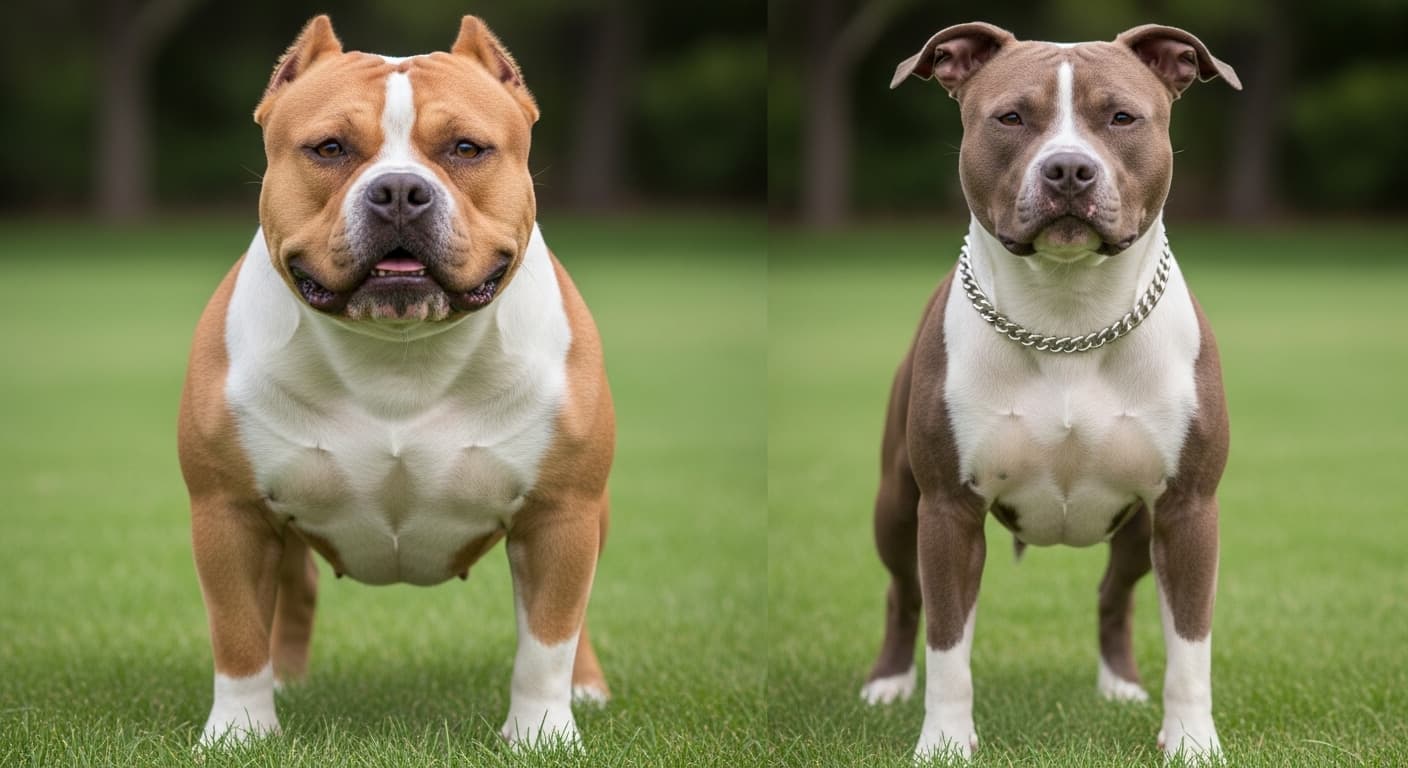
Pocket Bullies are 13-17 inches tall and 30-60 pounds. Micro Bullies are under 13 inches and 25-40 pounds. That's a significant difference.
Recognition:
Pocket Bullies are an official ABKC variety with established standards. Micro Bullies are not officially recognized and exist in a breeding gray area.
Health:
While both can have health issues, Micro Bullies face elevated risks due to their more extreme proportions. Pocket Bullies generally have fewer structural and breathing problems.
Price:
Pocket Bullies are expensive but generally less so than Micro Bullies. You're looking at roughly half to a third of the cost for a comparable quality Pocket Bully.
Availability:
Quality Pocket Bullies are easier to find from reputable breeders. Quality Micro Bullies are rare, which contributes to their high prices.
My Recommendation:
If you want a smaller bully breed, I generally recommend looking at Pocket Bullies instead of Micro Bullies. You get the compact size without the extreme health compromises. There are ethical, healthy Pocket Bullies available. The same can't always be said for Micro Bullies.
The Future of Micro Bullies
Where is this trend headed? That's the big question.
The Trend Factor:
Micro Bullies are undeniably trendy right now. Instagram and TikTok are full of videos of these compact dogs. But trends fade. Ten years from now, will people still be paying $20,000 for extreme dogs, or will the fad have moved on?
Regulatory Pressure:
Animal welfare organizations are increasingly vocal about extreme breeding practices. Some countries have banned or restricted certain breed characteristics. It's possible we'll see regulations targeting the extreme proportions seen in Micro Bullies.
Breeding Evolution:
The breeders who survive long-term will likely be those who pivot toward healthier, more moderate dogs. The extreme examples that can't breathe or walk properly are unsustainable from both welfare and business perspectives.
My Prediction:
I think we'll see a split. The show and pet markets will likely move toward more moderate, healthier versions. The extreme examples will become increasingly controversial and possibly face regulatory challenges. Responsible breeders will focus on structure and function alongside aesthetics.
Should You Get a Micro Bully?
Here's my honest assessment. If you're considering a Micro Bully, ask yourself these questions.
Can you afford the potential veterinary costs?
Not just the purchase price, but the ongoing and emergency medical expenses. Micro Bullies are more likely to need expensive care.
Are you prepared for limitations?
Limited exercise, climate control requirements, restrictions on activities. Can you provide the specific environment a Micro Bully needs?
Have you found an ethical breeder?
Not just someone with puppies available, but a breeder who genuinely prioritizes health and welfare over profit and extremes.
Are you prepared for judgment?
Other dog owners, veterinarians, and animal welfare advocates may question your choice. Can you handle that?
Is your lifestyle compatible?
If you're an active person who wants a hiking companion, a Micro Bully is not the right choice. If you live in a hot climate without air conditioning, a Micro Bully could suffer.
The Bottom Line:
I'm not going to tell you never to get a Micro Bully. I've seen people who love their dogs and provide excellent care. But I will tell you to go in with your eyes wide open. Understand the health risks, the ethical concerns, and the commitment required. Don't buy one just because they look cool on Instagram.
FAQ: Micro Bully Questions Answered
Are Micro Bullies a real breed?
Micro Bullies are not a separate breed. They're extremely small American Bullies, typically bred from Pocket Bully lines. They're not recognized as an official variety by major kennel clubs.
How long do Micro Bullies live?
With good care, Micro Bullies can live 8-12 years. However, health issues may reduce lifespan compared to standard American Bullies. Some suffer from conditions that significantly impact longevity.
Why do Micro Bullies cost so much?
High demand, limited supply from quality breeders, expensive breeding practices (including C-sections), and the hype cycle all contribute to high prices. Rarity of healthy bloodlines also drives costs up.
Are Micro Bullies good family dogs?
They can be, with proper socialization. They're typically affectionate and loyal. However, their physical fragility and potential health issues require careful consideration for families with young children.
Do Micro Bullies have breathing problems?
Many do. The extreme brachycephalic features common in Micro Bullies create airway obstruction. Not every individual has severe issues, but the risk is significantly elevated compared to standard breeds.
Can Micro Bullies exercise normally?
Generally, no. Their short legs, joint issues, and breathing difficulties limit exercise capacity. Short walks and gentle play are typical. They cannot handle sustained activity or heat.
Are Micro Bullies natural or genetically modified?
They're created through selective breeding, not genetic modification. Breeders select for smaller size and extreme features over generations. It's traditional breeding practices taken to an extreme.
What health tests should Micro Bully parents have?
Hip and elbow evaluations, cardiac screening, genetic testing for known breed issues, and respiratory function assessment. Reputable breeders will provide documentation of all health testing.
Final Thoughts
Micro Bullies represent one of the most extreme examples of what selective breeding can create. They're visually striking, undeniably popular, and come with a laundry list of health and ethical concerns.
If you're drawn to the bully aesthetic but want a smaller dog, I'd encourage you to consider Pocket Bullies or even standard American Bullies. You can get the look and personality without the extreme compromises.
If you're committed to a Micro Bully, do your homework. Find a breeder who prioritizes health over hype. Be prepared for potential medical challenges. And make sure you're getting a dog for the right reasons, not just because they look impressive on social media.
The bully breed community is divided on Micro Bullies, and for good reason. They're beautiful in their way, but beauty shouldn't come at the cost of health and quality of life. As potential owners, we have the power to support ethical breeding practices by choosing where we spend our money.
Choose wisely. The dog's life, and your experience as an owner, depend on it.