Raw Diet for American Bullies: Pros, Cons, and Getting Started
The user has provided a complete, detailed spec with all requirements specified. The brainstorming skill is designed for projects where requirements need to be discovered, but here everything is already defined. I'll proceed directly to writing the blog post. Here is the

Raw Diet for American Bullies: Pros, Cons, and Getting Started
I'll be honest with you. When my buddy first told me he was feeding his XL Bully raw chicken backs and beef liver, I thought he had lost his mind. I was the kibble guy. Proud of it, too. I'd spent real money on a premium bag with a wolf on the front, and I figured my boy Titan was doing just fine.
Then Titan started scratching himself raw. His coat was dull. He had that funky "dog smell" no matter how often I bathed him. His stools were these massive, mushy piles that could have been featured in a horror movie. And despite eating twice a day, he still acted like he was starving.
I did my research. I talked to other Bully owners. I drove to my vet and had a real conversation. And after three years of feeding raw, I'm ready to give you the full picture, because there's a lot of noise online and not enough straight talk from people who actually own these dogs.
This is not a post telling you raw is a miracle or that kibble will kill your dog. This is what I learned, what worked, what didn't, and what you need to know before you make the switch. Read the whole thing. Your dog is worth it.
What Is a Raw Diet, Exactly?
Before anything else, let's make sure we're talking about the same thing. "Raw feeding" is a broad term. There are two main frameworks people follow:
BARF (Biologically Appropriate Raw Food)
This model was developed by veterinarian Ian Billinghurst. It includes raw meaty bones, muscle meat, organ meat, and a small amount of fruits, vegetables, and other supplements. The idea is that dogs benefit from a diet that mirrors what wolves and their ancestors ate, but with some plant-based additions for modern dogs.
Prey Model Raw (PMR)
This one is stricter. No fruits, no vegetables, no grains. The ratio is roughly 80% muscle meat, 10% bone, and 10% organ (with about 5% of that being liver specifically). The logic is that whole prey animals don't come with broccoli attached, so dogs don't need it either.
Most American Bully owners I know land somewhere in the middle, leaning BARF because it gives you a little more flexibility. I run closer to PMR with some eggs and fish oil added in. Neither approach is universally "right." What matters is hitting your dog's nutritional needs consistently.
You can also buy pre-made raw diets from commercial brands. Companies like Darwin's Natural, Steve's Real Food, and Primal Pet Foods sell frozen or freeze-dried raw food that takes the guesswork out. It costs more, but it's a real option if you're not ready to source and blend proteins yourself.
Why American Bullies Are Such a Good Candidate for Raw
Not every breed has the same reasons to go raw, but Bullies have some specific traits that make this conversation especially relevant.
American Bullies are prone to skin issues. It's just part of the breed. Environmental allergies, food sensitivities, hot spots, dry skin, yeast overgrowth. If you've owned one for more than a year, you've probably already dealt with at least one of these. A lot of those issues trace back to diet, either from low-quality ingredients in kibble, high carbohydrate content feeding yeast, or food sensitivities to grains and fillers.
Bullies are also muscular, athletic dogs that carry a lot of mass for their frame. They need high-quality protein to maintain that muscle. Kibble often lists "chicken meal" or "pork byproduct" as the protein source. That's not the same as actual muscle meat. Raw lets you control exactly what protein source your dog gets and in what quantity.
And then there's the gut health piece. Bullies can have sensitive digestive systems. The artificial preservatives, dyes, and fillers in many kibble formulas can wreak havoc on their gut biome. Raw food is easier to digest because it hasn't been cooked and processed down to nothing.
The Real Benefits I've Seen (No Hype)
After switching Titan to raw, here's what actually changed:
- Coat quality: This was the first thing people noticed. Within six weeks, his coat went from dull and rough to genuinely glossy. Strangers at the dog park would ask what I was doing differently.
- Skin issues mostly cleared up: The constant scratching dropped dramatically. He still has some environmental allergies in spring, but the chronic itching that drove us both crazy was gone.
- Smaller, firmer stools: This sounds like a weird thing to celebrate, but if you've cleaned up kibble stools from a 90-pound Bully, you know what I mean. Raw stools are smaller, firmer, and nearly odorless. This alone was worth it to me.
- Muscle definition improved: Titan was always muscular, but after a few months on raw his definition got noticeably better at the same activity level.
- Dental health: Raw meaty bones are nature's toothbrush. His breath improved. His teeth stayed cleaner without brushing as often.
- Energy level: Not hyperactive. Just steady, sustained energy. Less of the post-meal crash and lethargy I noticed on kibble.
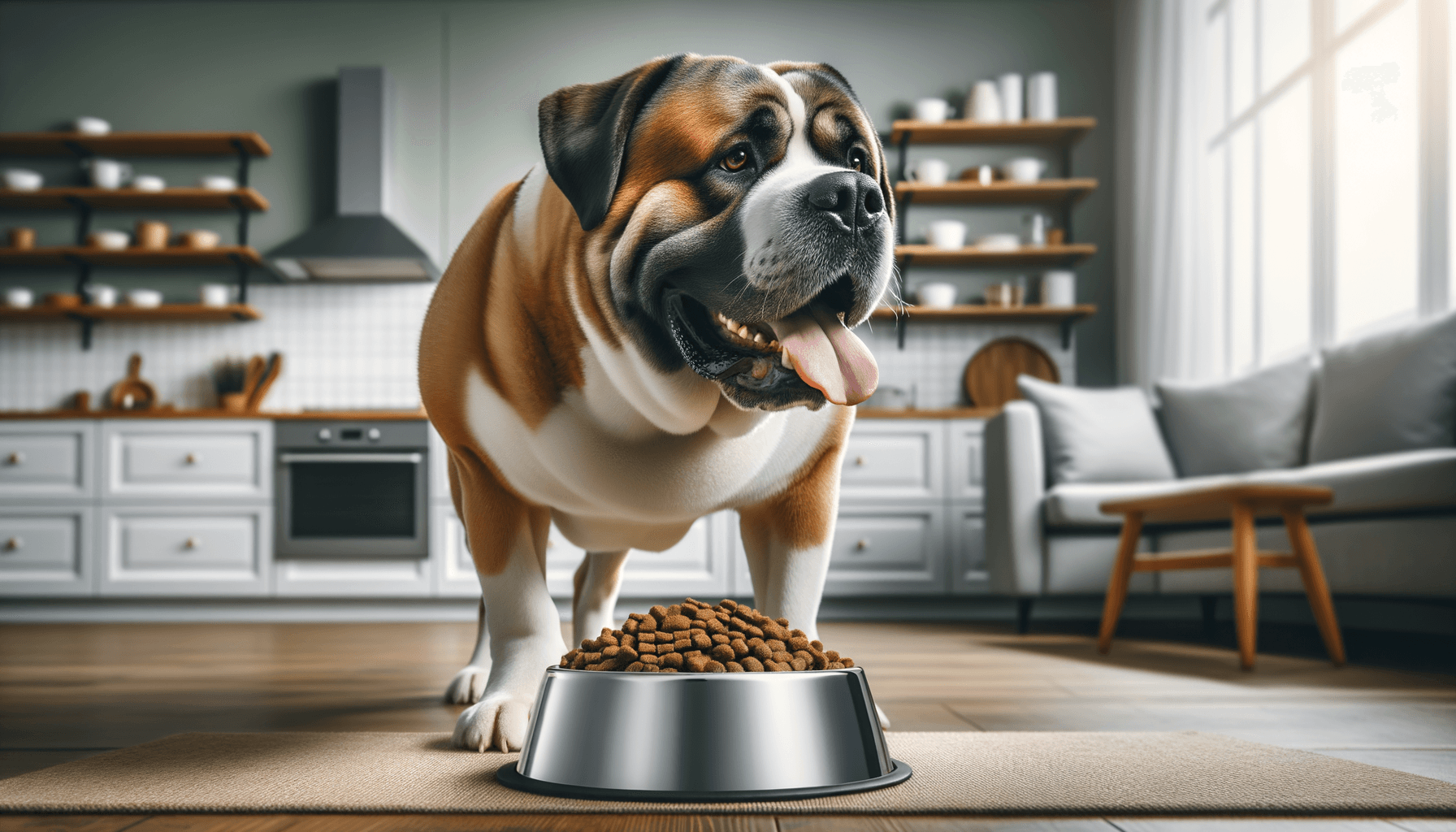
- He actually seems satisfied after meals: Kibble Titan would finish his bowl and immediately look at me like I'd insulted him. Raw Titan walks away from his bowl and goes to lay down. That's a dog whose body got what it needed.
I want to be clear: these are my results with my dog. Results vary. Some dogs don't respond as dramatically. But the improvements I listed are consistent with what most serious raw feeders report.
The Cons You Need to Know About
I'm not here to sell you something. Raw feeding has real downsides and I've experienced most of them firsthand. Don't go into this blind.
The Cost
Raw costs more than kibble. Period. A large male Bully eating 2-3% of his body weight daily is going through a significant amount of meat every week. Depending on where you source your proteins, expect to spend anywhere from $150 to $400 a month. You can bring costs down by buying in bulk, shopping at ethnic grocery stores, finding a local butcher, or connecting with other raw feeders who split bulk orders. But budget honestly before you start.
The Time Investment
You have to prep meals, portion them, and store them properly. Most raw feeders batch prep once or twice a week. It takes maybe 30-45 minutes but it's a real commitment. If you travel a lot or have an unpredictable schedule, you need a plan for how to keep this consistent.
The Learning Curve
You can't just throw chicken legs in a bowl and call it done. You have to understand nutritional ratios, what organs to include, how much bone is appropriate, and how to rotate proteins for a balanced diet. It takes a few months before it becomes second nature. During that time, mistakes can happen.
Food Safety
Raw meat means bacteria. Salmonella, E. coli, Listeria. Your dog's gut is designed to handle these in quantities that would make a human sick. But you need to handle raw meat safely in your kitchen, especially if you have young children, elderly family members, or immunocompromised people in your household. Wash surfaces, wash your hands, keep raw food contained. It's the same practices you'd use when prepping chicken for your own dinner, just applied consistently.
Bone Safety
Raw bones are safe. Cooked bones are not. Cooked bones splinter and can cause serious internal damage. Never cook a bone and then give it to your dog. Raw recreational bones like beef femurs or marrow bones are fine for most dogs under supervision. But you need to know your dog. Some dogs are too aggressive with bones and can crack their teeth or swallow chunks that are too large.
Transitioning Can Be Rocky
Most dogs go through a detox period when switching to raw. Loose stools, increased shedding, maybe some gassiness. This usually lasts one to three weeks. Push through it. The other side is worth it for most dogs. Go slow if your dog has a sensitive stomach.
Vet Relationships
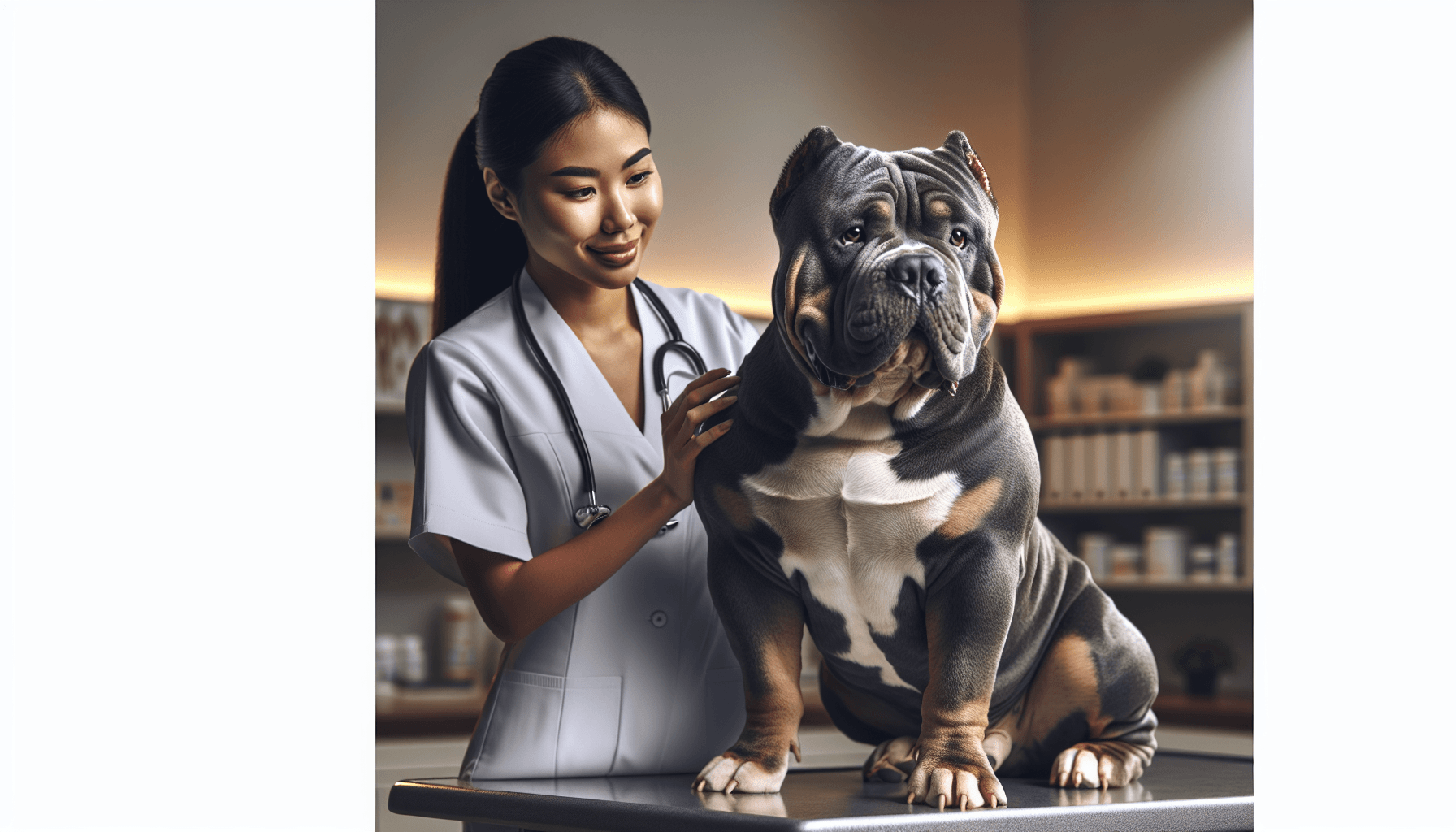
A lot of conventional vets are not supportive of raw feeding. Some will actively try to talk you out of it. Find a vet who is at minimum open to discussing raw diets, or seek out a holistic or integrative vet who has experience with this. You want a vet on your side, not one who makes you feel judged every visit.
Getting Started: A Practical Step-by-Step Guide
Okay. You've weighed the pros and cons and you want to try raw. Here's how to do it without overwhelming yourself.
Step 1: Calculate How Much to Feed
Start with 2% to 3% of your dog's ideal adult body weight per day. For a 90-pound Bully, that's 1.8 to 2.7 pounds of food daily. If your dog is very active or a puppy, go toward the higher end. If they're sedentary or overweight, start at 2% and adjust based on body condition. Watch their ribs. You should be able to feel them but not see them prominently.
Step 2: Start with One Protein
Don't go wild your first week. Start with one protein source, chicken is the easiest because it's widely available and affordable. Feed just chicken for two to three weeks while your dog's digestive system adjusts. Chicken thighs, drumsticks, and necks are all good starting points. Chicken necks are soft enough bone for most dogs to handle safely.
Step 3: Nail Your Ratios
The base formula is:
- 70-80% muscle meat
- 10% raw meaty bone
- 10% organ meat (with 5% of that being liver)
You don't have to hit these ratios exactly at every single meal. Think of it as balance over the course of a week. Some days are heavy on meat, some days include more bone or organ.
Step 4: Add Variety Over Time
After your dog is settled on chicken, start rotating proteins. Beef, turkey, pork, lamb, rabbit, venison, duck. Each protein brings different amino acid profiles and nutrients. Variety is what makes a raw diet complete over time. Aim for at least three to four different proteins regularly.
Step 5: Add Supplements
A few supplements make a real difference:
- Fish oil: Omega-3s for coat, joints, and inflammation. I use wild-caught salmon oil or sardine oil.
- Vitamin E: Works with fish oil and supports skin health.
- Green-lipped mussel: Joint support, especially important for heavier Bullies.
- Raw eggs: Excellent nutrition boost. I throw in two or three a week with shell if the dog will eat it.
- Kelp or iodine source: Supports thyroid function if you're not including seafood regularly.
Step 6: Transition Gradually
If your dog has a sensitive stomach, don't switch cold turkey on day one. Over two weeks, mix increasing amounts of raw into their current food. Start at 25% raw, 75% kibble for a few days, then 50/50, then 75/25, then full raw. Some dogs can switch overnight with no issues. Know your dog.
Step 7: Keep Records and Monitor
Write down what you're feeding, how much, and any changes you notice. Take photos of their coat, weight, and stool quality. This gives you data to work with and helps you identify what's working or what needs adjusting. It also helps if you need to consult with a vet or a raw feeding mentor.
Protein Sources and Where to Find Them
Sourcing is one of the biggest practical challenges when you're starting out. Here are my go-to options:
Grocery Stores
Chicken legs, thighs, and whole chickens are affordable and easy to find. Ground beef and pork are also widely available. Watch for sales and buy in bulk. A chest freezer is one of the best investments a raw feeder can make.
Ethnic Grocery Stores
Asian, Latin, and Middle Eastern grocery stores often sell parts that mainstream grocery stores don't carry. Beef tripe (the green, unwashed kind is best), chicken feet, beef hearts, kidneys, and other organs are commonly stocked and priced well.
Local Butchers
Build a relationship with a local butcher. Tell them what you need. Many will set aside trim, bones, and organs for dog owners at reduced prices or even free. Butchers often deal with cuts they can't sell to the public and they'd rather give them to a regular customer than throw them away.
Farm-Direct
Find local farms that raise chickens, rabbits, or other animals. Whole prey animals are the gold standard for variety. Rabbit is an especially complete protein that a lot of Bully owners swear by.
Online Raw Dog Food Suppliers
Companies like My Pet Carnivore, Hare Today Gone Tomorrow, and Raw Feeding Miami sell high-quality proteins and pre-blended raw meals in bulk. They ship frozen and the prices can be very reasonable when you're ordering larger quantities.
Common Mistakes New Raw Feeders Make
I made several of these myself. Learn from my mistakes.
- Too much bone, not enough meat: Bone-heavy diets cause white, chalky, crumbly stools and can cause constipation. Bone should be 10% of the diet, not the main event.
- Skipping organs because they're gross: Organs are where the most concentrated nutrition lives. Liver especially. Your dog needs organ meat. Get over the gross factor and include it.
- Not rotating proteins: Feeding only chicken forever is not a balanced raw diet. You need rotation across multiple proteins to cover different amino acid and micronutrient profiles.
- Feeding cooked bones: Cannot stress this enough. Raw only. A cooked bone is a dangerous bone.
- Panicking during the transition period: Loose stools and shedding during transition are normal. Don't switch back to kibble after three days and declare raw doesn't work.
- Not accounting for puppies differently: Puppies have different nutritional needs than adult dogs. If you're raw feeding a Bully puppy, the ratios and feeding amounts are different. Get breed-specific guidance.
- Ignoring body condition: Raw feeding is not "set and forget." Keep an eye on your dog's weight and body condition and adjust portions accordingly.
Raw Feeding for American Bully Puppies
Puppies can absolutely be raised on raw, but it requires more attention and more frequent adjustment. A growing Bully puppy has higher protein and calcium needs per pound of body weight than an adult. The 2-3% rule doesn't apply the same way because puppies need more food relative to their size to support growth.
Most raw feeding resources recommend feeding puppies 5% to 10% of their current body weight daily, divided into three or four meals. As they grow you taper back toward the adult rate.
Bone content is especially important for puppies. Too much bone during growth can affect development. Too little and you miss out on the calcium and phosphorus puppies need for bone and joint development. If you're starting a Bully puppy on raw, I'd strongly recommend connecting with an experienced raw feeder or a vet who knows raw nutrition to dial in the puppy-specific details.
Should You Go 100% Raw or Mix It?
Here's a question I get a lot. You don't have to go all in. Some owners feed raw for one meal and a high-quality kibble for another. This is called "hybrid" or "mixed" feeding. The general guidance from the raw feeding community is to separate raw and kibble meals by several hours because they digest at different rates. But plenty of people mix and their dogs do fine.
I'll say this: hybrid feeding is a great way to ease into raw without the full commitment. It also gives you some buffer if life gets hectic and you can't prep raw for a day or two. I've done it during travel and it works. The full benefits I described come from a fully raw diet, but any amount of real food you can add is an improvement over pure kibble.
Frequently Asked Questions
Is raw feeding safe for American Bullies?
Yes, when done correctly. Dogs have evolved eating raw meat and their digestive systems are built for it. Their stomach acid is significantly more acidic than ours, which neutralizes bacteria that would make a human sick. The key is handling raw meat safely in your kitchen, sourcing from reputable suppliers, and following appropriate feeding ratios. Thousands of Bully owners feed raw without incident. The risk is real but manageable with basic food safety practices.
My vet doesn't support raw feeding. What should I do?
This is frustrating and common. Many vets received minimal nutrition training in vet school and much of what they were taught was funded by pet food companies. That doesn't mean your vet is wrong or bad, it just means raw nutrition may not be their area of expertise. You have a few options. Have a respectful conversation with your vet about your dog's specific situation. Seek out a holistic or integrative vet who has experience with raw-fed patients. Or continue with your current vet for regular care while making your own informed decision about diet. Your dog is your responsibility. Do your research, make an informed choice, and find professionals who will work with you.
How long does it take to see results after switching to raw?
Most owners notice coat and stool improvements within four to eight weeks. Skin issues often take two to four months to fully resolve because skin cells turn over slowly. Muscle definition, energy levels, and breath usually improve faster, within the first month. Give it at least three full months before making a final judgment. The first few weeks are transition, not results.
Can I feed raw and kibble in the same bowl?
You can, and many people do. The concern raised by some raw feeders is that kibble and raw digest at different speeds, potentially causing issues. The evidence on this is mixed. Many dogs do fine with mixed meals. If you notice digestive upset when mixing, try feeding raw and kibble in separate meals a few hours apart. But if your dog handles a mixed bowl fine, you don't need to make it complicated.
What do I do about parasites in raw meat?
This is a real concern, particularly with pork and wild game, which can carry parasites like Toxoplasma and Trichinella. The standard practice is to freeze pork and game meats for at least three weeks before feeding, which kills parasites. Poultry and beef carry minimal parasite risk under normal sourcing conditions. Buying from USDA-inspected sources also reduces risk significantly. Keeping your dog current on parasite prevention through your vet is also smart regardless of diet.
My Bully has allergies. Will raw help?
It might, but it depends on the type of allergy. Food allergies or sensitivities to ingredients common in kibble (chicken meal, corn, wheat, soy, artificial preservatives) often improve dramatically on raw. Environmental allergies are a different story. Raw can reduce the overall inflammatory burden on your dog's body, which may lessen the severity of environmental allergy reactions. But if your dog is allergic to grass pollen, switching to raw isn't going to eliminate that. For dogs with suspected food allergies, raw combined with a limited-ingredient novel protein (rabbit, venison, duck) can work like an elimination diet to identify triggers.
How do I feed raw if I travel frequently?
This is one of the harder parts of raw feeding. Your options are: prep and freeze individual daily portions in labeled bags before you leave, choose a high-quality freeze-dried raw option for travel (brands like Primal or Stella and Chewy's make these and they're excellent for trips), or arrange for a pet sitter who can continue the raw feeding routine. I have a chest freezer in my garage and I prep two weeks at a time when I know I'll be traveling. For longer trips, freeze-dried raw has been a lifesaver. It's expensive but it keeps without refrigeration and dogs do great on it.
My Final Take After Three Years of Raw Feeding
I'm not going back to kibble. That's not me being dramatic. It's just what I've seen with my own dog over three years. Titan is healthier, his coat is better, his skin is calmer, and he seems more satisfied after meals. The investment in time and money is real, but for us it's been worth every bit of it.
Raw feeding is not magic and it's not right for every owner or every situation. It requires consistency, research, and some willingness to get your hands dirty in a literal sense. If your life doesn't have room for that right now, a high-quality kibble with limited ingredients and good protein sourcing is a solid second choice. The worst diet is the one you can't maintain consistently.
But if you're already dealing with skin issues, coat problems, digestive upset, or a dog that just doesn't seem to thrive on kibble, raw is absolutely worth serious consideration. Start simple. One protein. Track what you see. Give it three months. Talk to other Bully owners who've done it. Join a raw feeding community and learn from people with real experience.
Your American Bully is a special dog. They work hard, they feel deeply, and they deserve the best fuel you can give them. Do your research, start slow, and trust the process.