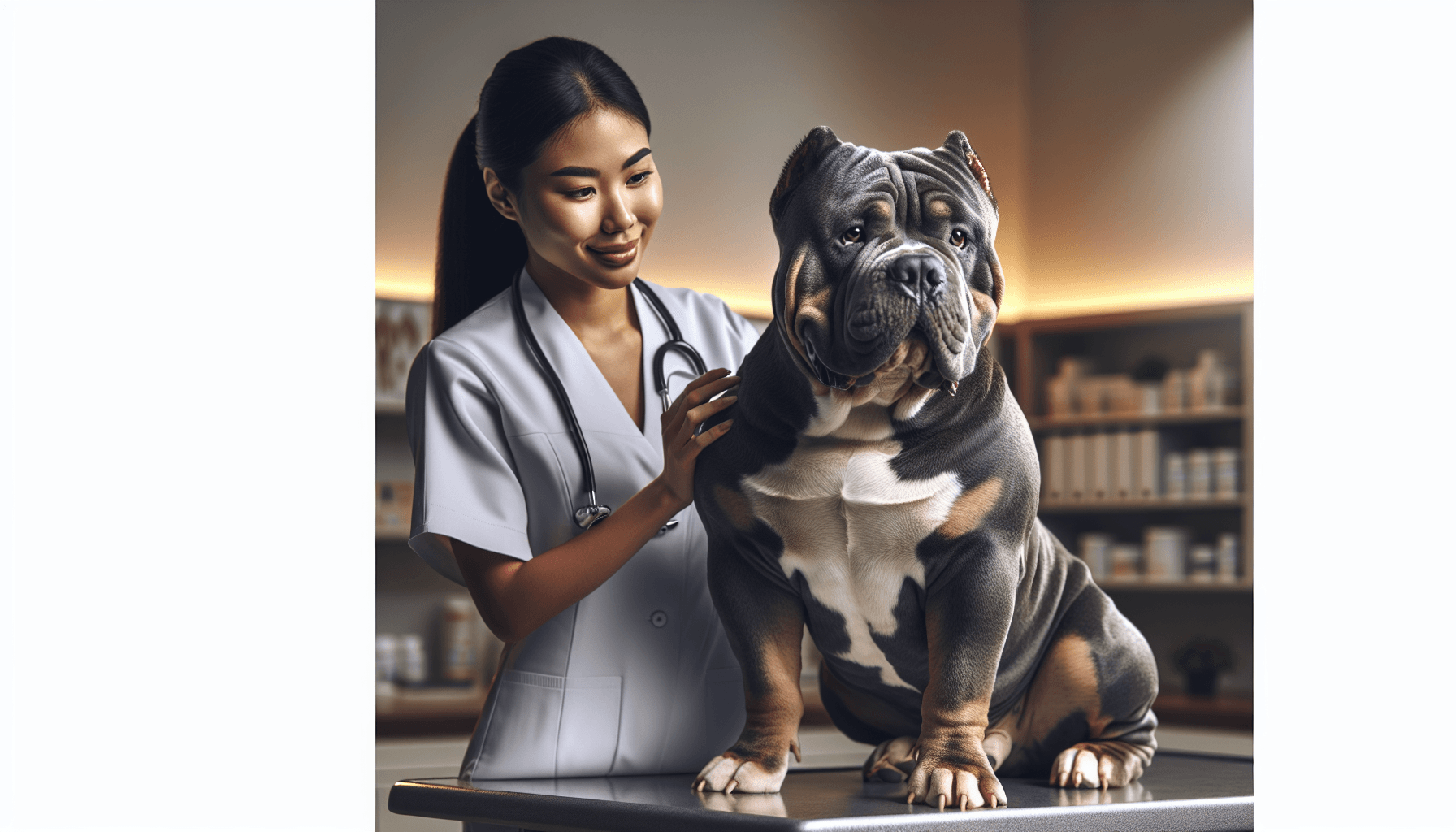
American Bully Feeding Guide: How Much to Feed by Age
Complete feeding guide for American Bully owners. Learn exactly how much to feed your bully at every life stage, from puppy to senior.
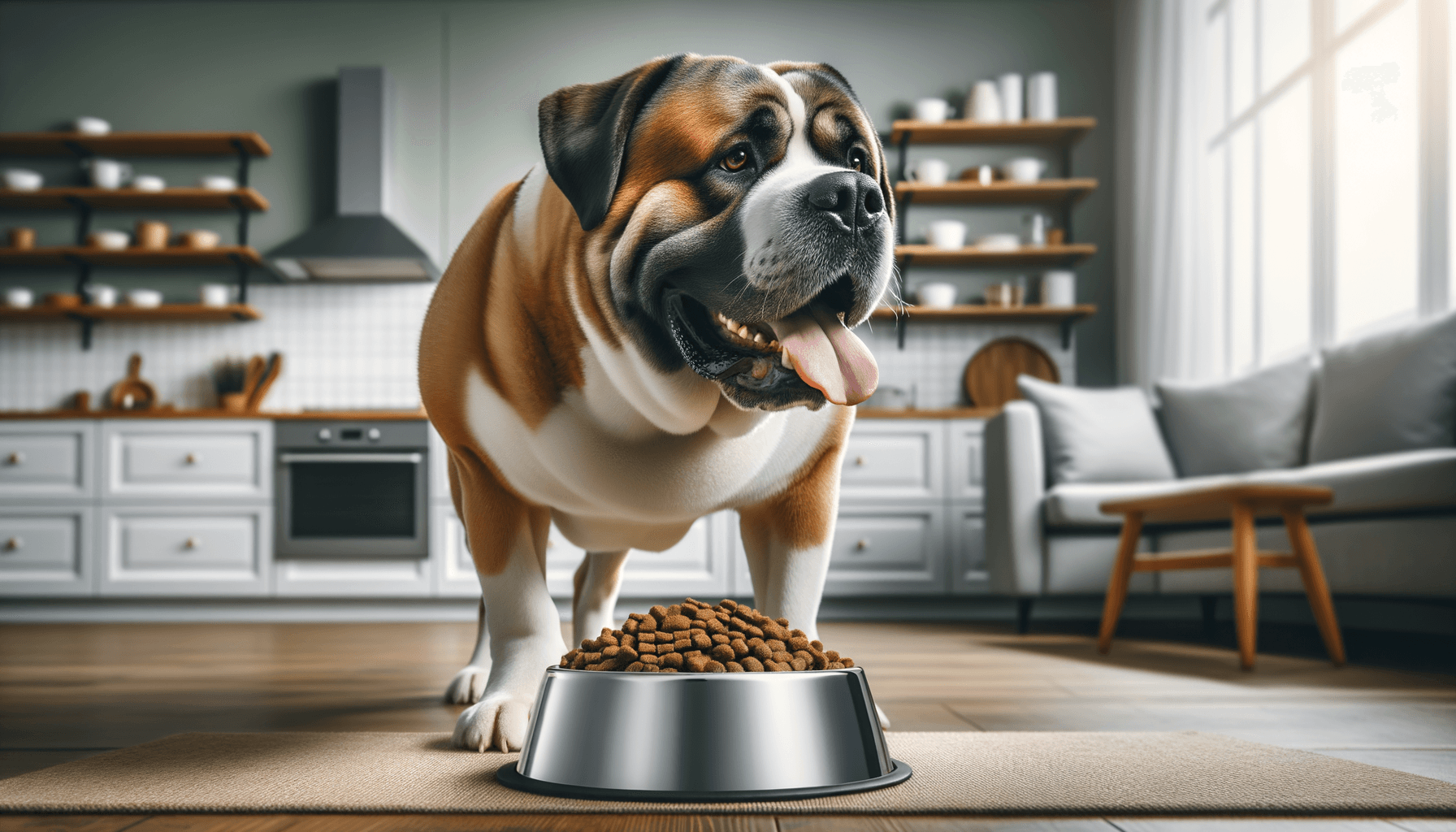
Getting your American Bully's diet right isn't rocket science, but man, it makes a huge difference. I've seen way too many bullies either carrying extra weight or looking too lean because their owners weren't sure how much to feed them.
Here's the thing: American Bullies have specific nutritional needs that differ from other breeds. Their muscular build, energy levels, and growth patterns all play into how much food they actually need. And it changes as they grow.
Let me walk you through exactly how to feed your bully at every stage of their life.
Understanding Your American Bully's Nutritional Needs
American Bullies are compact, muscular dogs with moderate energy levels. They're not marathon runners, but they're not couch potatoes either (well, most of them aren't). This breed tends to put on muscle easily, which is great, but they can also pack on fat if you're not careful with portions.
The key is finding that sweet spot where your bully maintains lean muscle mass without excess weight. Extra pounds put stress on their joints, especially their hips and elbows. Trust me, you don't want to deal with joint issues down the road because of overfeeding.
Puppy Stage (8 Weeks to 12 Months)
This is when your bully is growing like crazy. Puppies need way more calories per pound than adult dogs because they're building bone, muscle, and everything else.
8 Weeks to 4 Months
Feed your puppy 4 times per day. I know that sounds like a lot, but their tiny stomachs can't handle big meals yet. Plus, frequent feeding helps prevent hypoglycemia in young pups.
How much: About 1/4 to 1/2 cup per meal, depending on your puppy's size. That's roughly 1 to 2 cups total per day. Choose a high-quality large breed puppy formula. The large breed part is crucial because it controls calcium and phosphorus levels, which helps prevent joint problems as they grow.
4 to 6 Months
Drop down to 3 meals per day. Your pup's stomach is bigger now and can handle more food at once.
How much: Increase to 1/2 to 3/4 cup per meal (1.5 to 2.25 cups daily). You should still be able to feel their ribs easily when you run your hands along their sides. If you can't, cut back a bit.
6 to 12 Months
Switch to 2 meals per day. This is the schedule you'll probably stick with for life.
How much: 3/4 to 1.5 cups per meal (1.5 to 3 cups daily). The range is wide because bullies vary in size. A pocket bully obviously needs less than an XL.
Watch your pup's body condition more than the measuring cup. Every dog is different, and kibble brands vary in calorie density. Some high-protein foods pack way more calories per cup than others.
Adult Stage (1 to 7 Years)
Once your bully hits about 12 months, they're pretty much done growing (though they might fill out a bit more until 18-24 months). Now it's all about maintenance.
How Much to Feed
Most adult American Bullies do well on 2 to 3 cups of high-quality dog food per day, split into two meals. But here's where it gets individual:
Standard/Classic: 2 to 2.5 cups daily
Pocket: 1.5 to 2 cups daily
XL: 3 to 4 cups daily
These are ballpark numbers. Your bully might need more or less depending on:
- Activity level (show dogs or working bullies need more)
- Metabolism (some dogs just burn calories faster)
- Food quality (premium foods are more calorie-dense)
- Whether they're intact or fixed (neutered dogs need about 20% fewer calories)
I feed my bully twice a day, morning and evening. Some people do fine with once daily, but I like spreading it out. It helps prevent bloat and keeps their energy more stable throughout the day.
Calculating Exact Portions
Want to be more precise? Here's the formula:
Active adult bully: 30 calories per pound of body weight Less active bully: 25 calories per pound
So if you've got a 60-pound bully who's moderately active: 60 lbs × 30 calories = 1,800 calories per day
Then check your dog food bag for calories per cup. If it's 400 calories per cup: 1,800 ÷ 400 = 4.5 cups per day
That seems high to me for a 60-pound dog, honestly. This is why I usually start with the lower estimate and adjust based on body condition. Math is great, but your eyes and hands are better tools.
Senior Stage (7+ Years)
Older bullies slow down. They sleep more, move less, and their metabolism drops. Keep feeding them like an adult and they'll gain weight fast.
How much: Reduce portions by about 20-25% from their adult amount. So if your bully was eating 2.5 cups daily, drop to about 2 cups.
Switch to a senior formula if you haven't already. These have fewer calories, more fiber (helps them feel full), and often include joint support supplements like glucosamine.
Watch for weight gain closely. Excess weight is brutal on aging joints. If your senior bully is already dealing with arthritis, every extra pound makes it worse.
Pregnant and Nursing Females
Pregnant bullies need more food, especially in the last few weeks. Nursing mothers need even more because they're feeding a whole litter.
Weeks 1-6 of pregnancy: Normal adult portions Weeks 6-9: Gradually increase to 1.5x normal portions Nursing: 2-3x normal portions, depending on litter size
Switch to puppy food during the last trimester and while nursing. It's higher in calories and nutrients, which both mom and puppies need.
What Type of Food?
I'm not here to start a kibble vs. raw debate, but I'll tell you what works for most bully owners:
High-quality dry kibble formulated for medium to large breeds with high protein (at least 25-30%). Look for real meat as the first ingredient, not corn or wheat.
Some bullies do great on raw diets, but you need to know what you're doing. Balanced raw feeding requires careful planning to hit all nutritional requirements. If you're interested, work with a vet who understands raw feeding.
Grain-free diets got popular a few years back, but recent studies linked them to heart issues in some dogs. I'd stick with grains unless your bully has a proven allergy.
Feeding Schedule Tips
Stick to consistent times. Dogs love routine. Feed at the same times every day.
Measure everything. Seriously, use a measuring cup. Eyeballing it leads to overfeeding.
No free feeding. Don't leave food out all day. It makes it impossible to monitor intake and can lead to obesity.
Fresh water always. This should go without saying, but clean water should be available 24/7.
Slow down fast eaters. If your bully inhales their food in 30 seconds, get a slow-feed bowl. Eating too fast can cause bloat and vomiting.
Body Condition Score: The Real Test
Forget the scale for a minute. The best way to know if you're feeding the right amount is the body condition score:
Ideal weight:
- You can feel ribs easily but not see them (except maybe the last two)
- Clear waist when viewed from above
- Tuck-up in the belly when viewed from the side
- No fat pads on the hips or base of tail
Underweight: - Ribs, spine, and hip bones clearly visible - Severe waist and abdominal tuck - No body fat you can feel
Overweight: - Can't feel ribs without pressing - No visible waist - Belly sags or hangs - Fat deposits on hips and tail base
Most American Bullies I see are a bit overweight, honestly. Owners love them and show that love with food. I get it. But keeping your bully lean will literally add years to their life.
Common Feeding Mistakes
Overfeeding treats. Treats should be less than 10% of daily calories. Those training treats add up fast.
Table scraps. Just don't. Human food is too fatty, too salty, and throws off their balanced diet.
Inconsistent portions. A little extra here and there seems harmless, but it compounds over time.
Not adjusting for life changes. Got your bully fixed? Reduced their exercise? You need to reduce food too.
Switching foods constantly. Find a good quality food and stick with it. Constant switching can cause digestive issues.
When to Adjust Portions
You'll need to tweak amounts throughout your bully's life. Increase food if:
- You can see ribs and spine clearly
- They're losing weight
- Energy levels seem low
- They just started a more active routine
Decrease food if:
- You can't feel ribs easily
- They're gaining weight
- No visible waist anymore
- They became less active
- They were just neutered/spayed
Make changes gradually. Adjust by 10-15% and give it two weeks before changing again.
Special Considerations
High activity bullies (show dogs, working dogs, very athletic) might need 25-50% more food than a typical pet bully.
Bullies with allergies might need prescription or limited ingredient diets. These often have different calorie densities, so follow your vet's feeding guidelines.
Bullies prone to bloat should eat smaller, more frequent meals and avoid exercise right after eating.
My Personal Feeding Routine
I feed my bully twice daily, 7am and 6pm. He gets about 2 cups of high-protein kibble total, split between the meals. I add a bit of plain pumpkin or green beans sometimes to bulk up his meals without adding many calories (he's a chowhound who always acts starving).
I weigh him monthly and adjust portions if needed. I can feel his ribs easily and he's got a nice waist, so I know we're on track.
Honestly, it took a few months of adjusting to find his sweet spot. Don't get discouraged if you don't nail it immediately. Every dog is different.
Final Thoughts
Feeding your American Bully the right amount is one of the most impactful things you can do for their health. It prevents obesity, reduces joint stress, and helps them live longer, healthier lives.
Start with the guidelines I've given you, but pay attention to your individual dog. Their body condition tells you way more than any chart or formula.
And remember, if you're ever unsure, talk to your vet. They can assess your bully's body condition and give you personalized feeding recommendations. That's what they're there for.
Your bully depends on you to keep them healthy. Get the feeding right, and you're already winning half the battle.