Common Health Issues in American Bullies (And How to Prevent Them)
American Bullies are incredible dogs, but they come with some breed-specific health vulnerabilities. Learn about the most common health issues, warning signs to watch for, and practical prevention strategies from a real Bully owner.
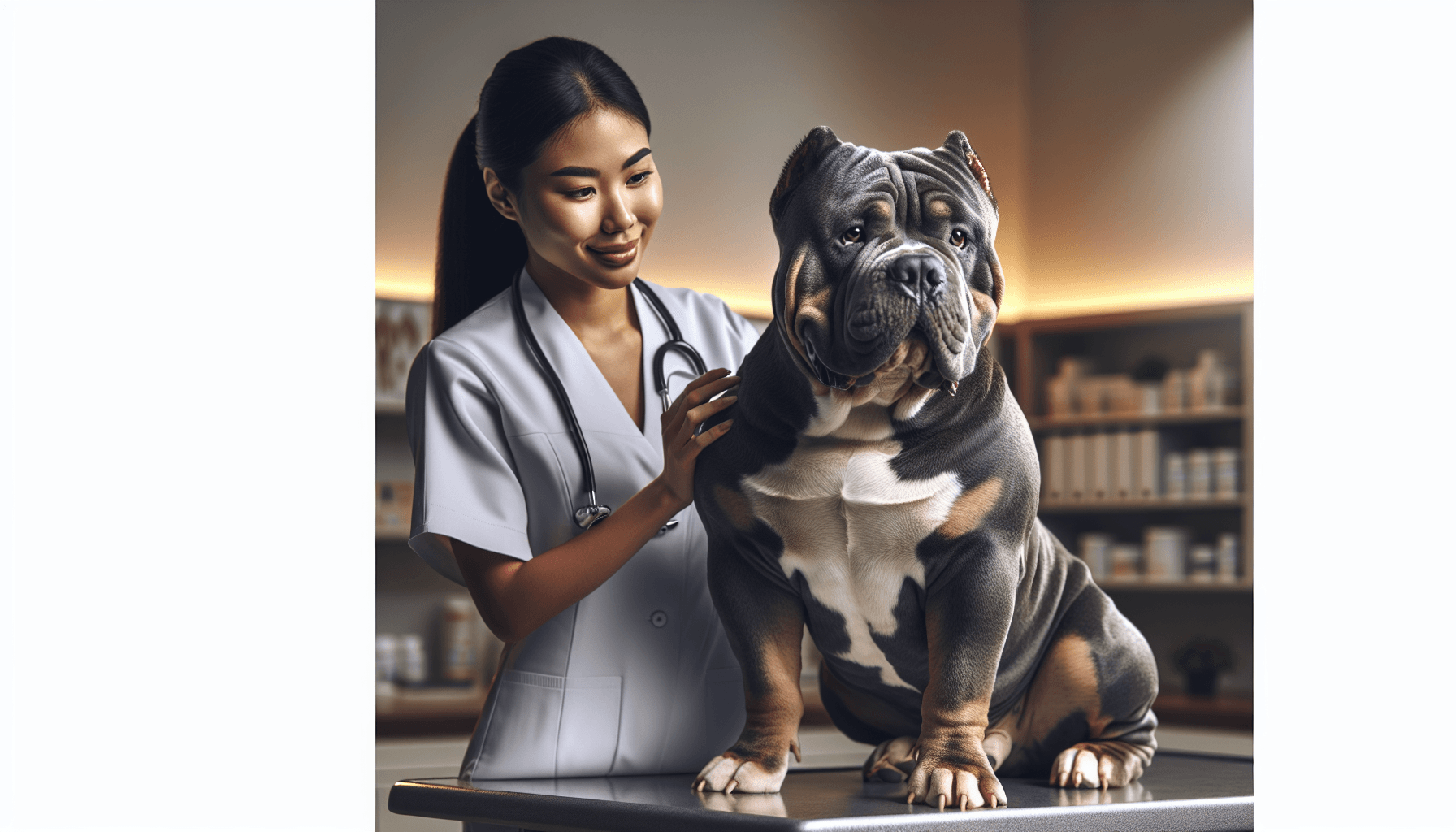
If you've owned an American Bully for any length of time, you already know these dogs are built different. Big personalities, barrel chests, wide heads, and loyalty that just doesn't quit. But that same build that makes them so impressive also comes with some health vulnerabilities you need to know about. Honestly, when I got my first Bully, nobody sat me down and explained what I was signing up for health-wise. I had to learn a lot the hard way. So let's talk about the most common health issues in American Bullies, what warning signs to watch for, and more importantly, how to keep your dog as healthy as possible.
Hip Dysplasia
This is probably the big one. Hip dysplasia is extremely common in American Bullies, and if you're not prepared for it, it can sneak up on you. It happens when the hip joint doesn't develop correctly, causing the ball and socket to grind against each other instead of moving smoothly. Over time, that leads to arthritis, pain, and reduced mobility.
The frustrating thing? A lot of dogs don't show obvious symptoms until the damage is already significant. You might notice your Bully is slower to get up in the morning, a little stiff after a long play session, or reluctant to climb stairs. Some dogs develop a distinctive "bunny hop" gait when they run, using both back legs together instead of alternating. That's a red flag.
What Causes It
Genetics plays a huge role. That's why responsible breeders hip-test their breeding stock using OFA (Orthopedic Foundation for Animals) certifications. If you're buying a puppy, ask to see the parents' hip scores; a reputable breeder will have them. But genetics isn't the only factor. Rapid growth, overfeeding puppies, and high-impact exercise on young joints can all make things worse.
Prevention and Management
- Keep your Bully at a healthy weight. Every extra pound is extra stress on those joints.
- Avoid high-impact exercise (jumping, rough play on hard surfaces) in puppies under 18 months while their growth plates are still open.
- Consider joint supplements like glucosamine and chondroitin. I've been giving my dog a fish oil and glucosamine combo since he was 2, and his vet has been happy with his joint health so far.
- Get baseline hip X-rays done around 2 years old so you have a reference point.
- If dysplasia is diagnosed, treatment options range from anti-inflammatories and physical therapy to surgical options depending on severity.
Skin Allergies and Skin Issues
Oh man. If you've got a Bully, you've almost certainly dealt with skin stuff. It's probably the most common complaint I hear from Bully owners. These dogs are notorious for skin sensitivities: environmental allergies, food allergies, and just general dermatological drama.
Signs include constant itching, licking paws excessively, red and irritated skin (especially in the armpits, groin, between the toes, and around the face folds), hot spots, and recurring skin infections. Those adorable face folds can trap moisture and bacteria, leading to fold dermatitis if you're not cleaning them regularly.
Food Allergies vs. Environmental Allergies
Figuring out which one you're dealing with takes some detective work. Food allergies are usually year-round and often involve itchy paws, ears, and belly. Environmental allergies (grass, pollen, dust mites) tend to be seasonal or related to where your dog spends time.
In my experience, the most common food culprits for Bullies are chicken, beef, wheat, and corn. A lot of owners switch to novel protein diets (duck, venison, salmon) or limited ingredient diets and see huge improvement. But do it properly. A food elimination trial should last 8-12 weeks with a strict novel protein, not just switching brands randomly.
Prevention and Management
- Clean face folds, ear canals, and skin wrinkles regularly. Daily if needed, definitely weekly at minimum.
- Use a gentle, hypoallergenic shampoo formulated for dogs with sensitive skin. I like medicated shampoos with chlorhexidine for dogs prone to skin infections.
- Work with your vet to identify triggers. Skin testing or a proper elimination diet trial is worth it.
- Omega-3 fatty acids (fish oil) support skin barrier function and reduce inflammation. This one is genuinely worth it.
- Keep your home vacuumed and wash your dog's bedding frequently if environmental allergies are suspected.
Heart Conditions
This one catches a lot of Bully owners off guard. American Bullies can be prone to certain heart conditions, particularly dilated cardiomyopathy (DCM) and aortic stenosis. These are serious conditions that can be life-threatening if not caught early.
DCM is a disease where the heart muscle weakens and the heart enlarges, reducing its ability to pump blood effectively. It's been a hot topic in the dog world because of a potential link to certain grain-free diets (specifically those high in legumes like peas and lentils), though the science is still evolving. Aortic stenosis involves a narrowing near the aortic valve that makes the heart work harder than it should.
Warning Signs to Watch For
- Exercise intolerance: your dog gets tired much faster than usual
- Coughing, especially at night or after exercise
- Labored breathing or rapid breathing at rest
- Fainting or collapsing episodes
- Distended abdomen (fluid buildup)
- Weakness or lethargy
Prevention and Monitoring
- Annual vet checkups should include cardiac auscultation (listening to the heart). A good vet will catch a murmur early.
- If you have a Bully from lines that have had cardiac issues, consider a baseline echocardiogram around 2-3 years old.
- Diet matters. Honestly, I'd talk to your vet before going grain-free long-term. The FDA's investigation into DCM and grain-free diets is reason enough to be cautious.
- Keep your dog at a healthy weight. Obesity strains the heart significantly.
Brachycephalic Obstructive Airway Syndrome (BOAS)
American Bullies don't have the extreme flat face of a Bulldog or Pug, but they do have a somewhat compressed airway compared to a Lab or German Shepherd. This can lead to breathing difficulties, especially in hot weather or during intense exercise. BOAS refers to a combination of anatomical features: narrowed nostrils, an elongated soft palate, and a narrow trachea. These features make breathing harder work than it should be.
If your Bully snores loudly, breathes noisily, struggles in heat, or gets winded quickly, these are signs worth discussing with your vet. Mild cases can be managed with lifestyle adjustments, while severe cases may need surgical correction.
What to Do
- Never exercise your Bully in hot, humid weather. Early morning or evening walks only in summer.
- Keep them cool. These dogs can overheat fast, and it can become dangerous quickly.
- Maintain a healthy weight. Excess weight makes breathing issues significantly worse.
- If symptoms are moderate to severe, talk to a vet about whether a surgical consult makes sense. Corrective procedures can dramatically improve quality of life.
- Don't use harnesses that put pressure on the throat. Opt for a well-fitted harness that sits on the chest instead.
Elbow Dysplasia
Similar to hip dysplasia but in the front legs, elbow dysplasia is another developmental joint issue that affects bully breeds more than a lot of other dogs. It's a group of conditions where the elbow joint develops abnormally, leading to pain, lameness, and eventually arthritis.
You might see your dog favoring a front leg, not wanting to walk as far as usual, or holding a leg up when they're resting. Puppies can show signs as young as 4-6 months, though some cases aren't obvious until the dog is older.
Prevention
- Same principle as hip dysplasia: controlled growth in puppies, healthy weight, joint support supplements.
- Avoid repetitive high-impact activities during puppyhood.
- Responsible breeding with OFA elbow certification in the parents.
Eye Conditions
Bully breeds can be prone to cherry eye (prolapsed third eyelid gland), entropion (eyelids rolling inward, causing the lashes to rub the eye), and ectropion (eyelids rolling outward, causing exposure). These aren't immediately life-threatening, but they're uncomfortable for your dog and need veterinary attention.
Cherry eye is probably the most common and looks alarming: a pink or red fleshy mass in the inner corner of the eye. It needs to be surgically corrected, and ideally, a vet will tuck the gland back in rather than remove it, since that gland produces a significant portion of your dog's tear production.
Thyroid Issues
Hypothyroidism (underactive thyroid) shows up in Bullies more than you'd expect. The thyroid gland doesn't produce enough hormone, which affects metabolism and a whole range of body functions. Signs include unexplained weight gain, lethargy, hair loss (especially on the tail and flanks), and recurring skin infections.
The good news: hypothyroidism is very manageable with a daily medication called levothyroxine. Once on the correct dose, most dogs do really well. Annual thyroid panels are worth adding to your dog's bloodwork, especially as they age.
Obesity
I know, I know. It sounds like a lifestyle issue, not a health condition. But I'm putting it on this list because obesity in American Bullies directly worsens or triggers almost every other condition on this list. It stresses joints, strains the heart, makes breathing harder, and increases inflammation throughout the body.
Bullies are not high-activity dogs compared to, say, a Border Collie or a Husky. They don't always need hours of running. This means it's surprisingly easy to overfeed them. Combine that with their muscular build that can mask weight gain, and a lot of Bullies are carrying more weight than their owners realize.
How to Keep Your Bully at a Healthy Weight
- You should be able to feel your dog's ribs without pressing hard, but not see them prominently. That's the rough guide.
- Measure food portions. Don't just eyeball it. That "cup" people casually scoop is usually 1.5x what they think it is.
- Factor treats into the daily calorie count. Treats should be no more than 10% of daily calories.
- Regular, moderate exercise. Two 20-30 minute walks daily is a solid baseline for most adult Bullies.
- Ask your vet what your specific dog's ideal weight should be. Target that number, not a generic chart.
The American Bully Lifespan: What to Expect
The average American Bully lives 10-13 years, with well-maintained, healthy dogs sometimes reaching 14-15. That's a pretty good run for a dog of this size and build. The dogs that hit those upper numbers are almost always the ones whose owners took preventive health seriously from day one.
The things that shorten Bully lifespans? Joint disease that limits quality of life, heart conditions that go undetected, obesity that compounds everything, and unfortunately, sometimes genetics from poor breeding lines.
Choosing a reputable breeder who health-tests, staying on top of annual vet visits, keeping your dog lean and active, and knowing your dog's individual health profile. That's the formula. It's not complicated, but it does take commitment.
Building Your Bully's Preventive Health Routine
Honestly, the best thing you can do for an American Bully is get ahead of problems before they start. Here's what I'd consider the core routine:
- Annual vet exams: full physical including heart and joint assessment, bloodwork including thyroid panel starting around age 3-4
- Dental care: dental disease is is underrated as a health issue; brush teeth or use dental chews regularly
- Weight management: monthly weigh-ins at home or at the vet to catch creep early
- Joint supplements: glucosamine, chondroitin, and omega-3s starting in young adulthood
- Skin maintenance: regular grooming, fold cleaning, monitoring for early signs of infections
- Exercise: consistent, moderate, and low-impact especially on hard surfaces
- Diet quality: a high-protein, grain-inclusive diet from a reputable brand; ideally one that meets WSAVA guidelines
Final Thoughts
American Bullies are incredibly rewarding dogs to own. Loving, loyal, funny, and honestly just great companions. But they do come with some health considerations that you need to take seriously. The good news is that most of what affects this breed is either preventable or very manageable if you catch it early and stay proactive.
Don't let the health stuff scare you off from this breed. Just go in educated. Find a vet who knows bully breeds (not all vets are equally familiar with their specific needs), build a relationship with them, and stay consistent with preventive care. Your Bully is counting on you to be their advocate, because they'll keep acting like everything is fine long past the point where they're actually struggling. These dogs are tough. You just have to be tougher about their health.
Got questions about your Bully's health or dealing with one of these issues right now? Drop it in the comments below. I'm always happy to talk through what's worked for me and share resources that might help.