How to Train an American Bully Puppy
Learn the proven techniques to train your American Bully puppy from day one. This complete guide covers basic commands, socialization, crate training, and preventing common behavioral issues. Start building a well-behaved, confident companion today.
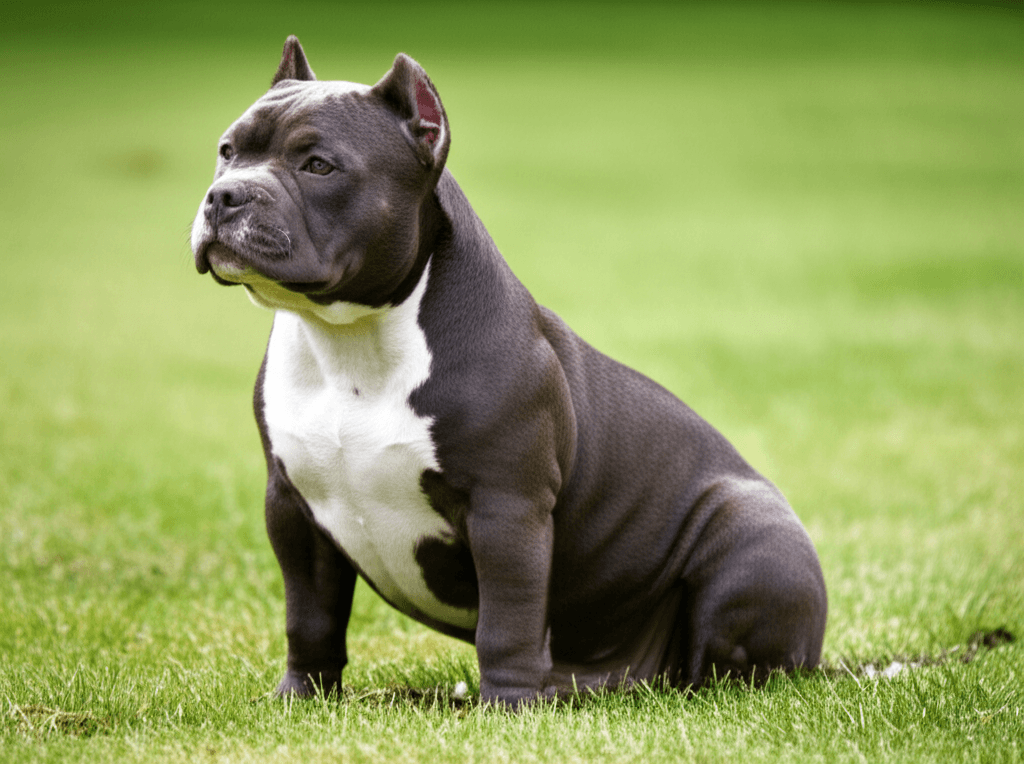
Why Training Your American Bully Puppy Early Is Non-Negotiable
When I brought home my first American Bully puppy at 8 weeks old, I thought I had plenty of time to "figure out" the training stuff. Boy, was I wrong. Within two weeks, that adorable 15-pound ball of muscle had already learned to jump on everyone, pull like a freight train on the leash, and ignore my commands completely.
Here's the thing about American Bully puppies: they're incredibly smart, but they're also stubborn as hell. If you don't establish yourself as the pack leader early on, you'll end up with a 70-pound muscle machine that thinks it runs the house. Trust me, I learned this the hard way.
The good news? Training an American Bully puppy is actually easier than most people think—if you know what you're doing. These dogs are eager to please, food-motivated, and respond incredibly well to positive reinforcement. In this guide, I'll walk you through exactly how I trained my Bully from an unruly puppy to a well-behaved companion that strangers constantly compliment.
Quick Answer: Start training your American Bully puppy the day you bring them home (8 weeks minimum). Focus on basic commands (sit, stay, come), crate training, socialization, and leash manners. Use positive reinforcement with high-value treats, keep sessions short (5-10 minutes), and practice consistency. American Bullies are intelligent and food-motivated, making them highly trainable with the right approach.
Understanding the American Bully Temperament
Before we dive into training techniques, you need to understand what makes American Bullies tick. These dogs are NOT like Golden Retrievers or Poodles. They have a unique personality that requires a specific training approach.
They're Confident (Sometimes Too Confident)
American Bullies are bred to be confident, stable dogs. This is great when they're properly trained, but it means they won't automatically defer to you just because you're human. You have to earn their respect through consistent leadership—not dominance, but calm, confident authority.
They're Incredibly Food-Motivated
This is your secret weapon. My Bully will literally do backflips for a piece of chicken. Use this to your advantage. Always have high-value treats on hand during training sessions.
They Have a Stubborn Streak
If training feels like a chore, your Bully will check out mentally. Keep sessions fun, upbeat, and short. The moment you see their attention wander, end the session on a positive note.
They Crave Your Approval
Despite their tough appearance, American Bullies are sensitive dogs that genuinely want to make you happy. When you get frustrated, they know it—and it shuts them down. Stay positive, and you'll see amazing results.
The Essential Training Timeline: 8 Weeks to 6 Months
Here's the exact training schedule I followed with my American Bully puppy. This isn't a "nice to have" timeline—this is critical for raising a well-adjusted adult dog.
Weeks 8-10: Foundation & Socialization
Priority #1: Socialization
The socialization window closes at around 14-16 weeks. During this time, your puppy's brain is like a sponge, absorbing experiences that will shape their personality for life. I exposed my Bully to:
- Different surfaces (grass, concrete, gravel, wood floors)
- Various sounds (vacuum cleaner, doorbell, traffic)
- Different people (men, women, children, people in hats/uniforms)
- Other vaccinated, friendly dogs
- Car rides
- Vet visits (even just for treats and weigh-ins)
Priority #2: Crate Training
Start crate training immediately. Your crate should be just big enough for your puppy to stand up, turn around, and lie down. Make it a positive space with treats, toys, and meals fed inside. Never use the crate as punishment.
My puppy cried for 3 nights straight. I stuck with it. By week 2, he was voluntarily going into his crate for naps. By week 4, he slept through the night without accidents.
Priority #3: Name Recognition
Say your puppy's name followed immediately by a treat. Do this 20-30 times per day. Within a week, they should whip their head around every time you say their name.
Weeks 10-16: Basic Commands & Impulse Control
This is when the real training begins. Focus on these essential commands:
1. Sit
Hold a treat above your puppy's nose and slowly move it back over their head. Their butt will naturally drop. The second it touches the ground, say "Sit!" and give the treat. Repeat 10 times per session, 3-4 sessions per day.
Within 3 days, my Bully was sitting on command. Within a week, he'd sit automatically before getting his food bowl.
2. Stay
Once your puppy knows "sit," add "stay." Put them in a sit, hold your palm up like a stop sign, and say "stay." Wait 2 seconds, then reward. Gradually increase the duration and distance.
This command saved my life when my Bully was about to bolt out the front door into traffic. Teach it.
3. Come (Recall)
This is the most important command you'll ever teach. Start in a confined space with zero distractions. Say your puppy's name followed by "come!" in an excited voice. When they run to you, give a jackpot reward (multiple treats, praise, celebration).
Practice this obsessively. Your dog's recall could literally save their life one day.
4. Leave It
Place a treat on the ground, cover it with your hand, and say "leave it." When your puppy stops trying to get it, reward them with a different treat from your other hand. This teaches impulse control and has prevented my Bully from eating countless gross things on walks.
Weeks 16-24: Leash Training & Advanced Commands
By now, your puppy should have the basics down. Time to level up.
Loose Leash Walking
American Bully puppies pull. A lot. They're strong, and they want to explore everything. Here's how I fixed this:
- Every time the leash goes tight, stop walking immediately
- Don't move until they look back at you and the leash loosens
- Reward them, then continue walking
- Repeat 100+ times per walk
It took 2 weeks of consistency, but now my 65-pound Bully walks perfectly on a loose leash. Check out my guide on how to stop a pitbull from pulling for more detailed techniques.
Down
From a sit position, hold a treat to your puppy's nose and slowly lower it to the ground. As they follow it down, say "down." Reward when their elbows touch the floor.
Place
This command tells your dog to go to a specific spot (their bed, a mat, a platform) and stay there. It's incredibly useful for managing your dog when guests arrive or during meals.
Training Techniques That Actually Work
Positive Reinforcement Is King
Forget everything you've heard about "alpha rolls" or dominance training. That outdated garbage doesn't work with American Bullies—it just makes them defensive and damages your bond.
What DOES work:
- Reward the behavior you want
- Ignore the behavior you don't want (within reason)
- Make training fun and game-like
- Use high-value treats (real meat, cheese, hot dogs)
Timing Is Everything
The reward must happen within 1-2 seconds of the desired behavior. Any longer, and your puppy won't make the connection. I use a clicker to mark the exact moment my dog does something right, then immediately follow with a treat.
Keep Sessions Short
Puppies have the attention span of a goldfish. My training sessions are 5-10 minutes max, 3-4 times per day. Short, frequent sessions beat long, exhausting ones every time.
End on a High Note
Always finish training sessions with something your puppy knows well. If you end with frustration, they'll associate training with negative feelings. End with success, and they'll be excited for the next session.
Consistency Is Non-Negotiable
If you let your puppy on the couch sometimes but not others, you're teaching them that rules are optional. Everyone in your household needs to enforce the same rules, the same way, every time.
Common Training Mistakes (And How to Avoid Them)
Mistake #1: Waiting Too Long to Start
Some people think puppies need to be older before training. Wrong. The learning window starts the day you bring them home. Every interaction is training, whether you realize it or not.
Mistake #2: Using Punishment
Yelling, hitting, or using shock collars might suppress behavior temporarily, but it damages trust and can create aggression. American Bullies shut down when treated harshly. Use positive methods.
Mistake #3: Inconsistent Commands
If you say "come here" one time and "come" the next, your puppy gets confused. Pick one word per command and stick with it. Make sure everyone in your family uses the same words.
Mistake #4: Training Only at Home
Your puppy might be perfect in your living room but lose their mind at the park. Train in multiple locations with varying levels of distraction. Start easy, then gradually increase difficulty.
Mistake #5: Skipping Socialization
A poorly socialized American Bully can become fearful or reactive. This isn't just about other dogs—it's about exposing your puppy to the world in a positive way during that critical window.
Mistake #6: Giving Up Too Soon
Training takes time. My puppy "forgot" the "come" command at least 20 times before it stuck. Be patient. Stay consistent. You'll get there.
Equipment You'll Need
Having the right gear makes training so much easier. Here's what I use:
- Well-fitting harness: American Bully puppies grow FAST. Get an adjustable harness that distributes pressure across their chest, not their neck. I recommend checking out the best harnesses for pitbulls that pull.
- 6-foot training leash: Not a retractable one. You need control during training.
- Treat pouch: Keeps treats accessible and your pockets clean.
- High-value treats: Small, soft, smelly. Think hot dog pieces, chicken, cheese.
- Clicker (optional but helpful): Marks desired behavior with precision.
- Crate: For potty training and creating a safe space.
- Chew toys: Redirect biting behavior to appropriate items.
Dealing with Specific Behavioral Issues
Puppy Biting
American Bully puppies have strong jaws even at 8 weeks. When they bite too hard during play, yelp loudly (like a hurt puppy would) and immediately stop interacting. Walk away. They'll learn that biting = fun ends.
Redirect to appropriate chew toys. If they bite, say "no," offer a toy, and praise when they take it.
Jumping on People
Turn your back when your puppy jumps. Only give attention when all four paws are on the floor. It takes consistency, but it works. Teach guests to do the same.
Counter Surfing
Never leave food on counters. Seriously. If your puppy scores even once, you've reinforced the behavior. Keep counters clear during the training phase, and teach a strong "leave it" command.
Separation Anxiety
Start with short absences (30 seconds) and gradually increase. Make departures and arrivals low-key. Give your puppy a special toy or treat that they only get when you leave.
Professional Training: When to Consider It
I'm a big believer in doing it yourself, but sometimes professional help makes sense:
- If you're a first-time dog owner
- If your puppy shows signs of aggression or severe anxiety
- If you want to compete in obedience or sports
- If you're struggling despite consistent effort
Look for trainers who use positive reinforcement methods. Avoid anyone who talks about "dominance" or uses aversive tools like prong collars or shock collars.
Frequently Asked Questions
What age should I start training my American Bully puppy?
Start the day you bring them home, typically around 8 weeks old. Basic commands, crate training, and socialization should begin immediately. The first 16 weeks are the most critical period for learning and social development.
Are American Bullies easy to train?
Yes, American Bullies are intelligent and eager to please, making them highly trainable. However, they can be stubborn, so consistency and positive reinforcement are key. They respond much better to rewards than punishment.
How long does it take to fully train an American Bully puppy?
Basic obedience (sit, stay, come) can be taught in 2-3 months with consistent daily training. However, training is ongoing throughout your dog's life. Full maturity and reliable behavior typically develop by 18-24 months of age.
What's the best way to potty train an American Bully puppy?
Use crate training and establish a consistent schedule. Take your puppy outside first thing in the morning, after meals, after naps, and before bed. Reward immediately when they go in the right spot. Most puppies can hold it for one hour per month of age, so an 8-week-old puppy needs to go out every 2 hours.
Should I use treats or praise for training?
Both. American Bullies are extremely food-motivated, so high-value treats are essential for teaching new behaviors. Once a command is learned, you can gradually replace treats with praise and intermittent rewards. Always pair treats with verbal praise so your dog learns to value both.
Can American Bully puppies be trained not to be aggressive?
American Bullies are naturally friendly and non-aggressive when properly bred and socialized. True aggression is rare in the breed. Early socialization, positive training methods, and responsible ownership will result in a stable, friendly adult dog. If you see concerning signs of aggression, consult a professional immediately.
How do I stop my American Bully puppy from pulling on the leash?
Stop moving the instant the leash goes tight. Wait for your puppy to look back and create slack, then reward and continue. This teaches them that pulling gets them nowhere, but walking politely gets them where they want to go. It requires patience but works remarkably well. For more tips, check out my complete guide on stopping leash pulling.
Final Thoughts: You've Got This
Training an American Bully puppy isn't rocket science, but it does require commitment. I spent 15-20 minutes per day actively training my puppy, and it completely transformed our relationship. He's now the most well-behaved dog at the park, and strangers constantly ask me how I trained him so well.
The secret? I started early, stayed consistent, and kept it positive. That's literally it.
Your American Bully puppy has incredible potential. They're smart, loyal, and genuinely want to make you happy. Give them clear communication, fair rules, and lots of love, and you'll raise a confident, well-adjusted dog that represents the breed beautifully.
Now get out there and start training. Your future self (and your fully-trained Bully) will thank you.