Best Collars for Pitbulls (2026)
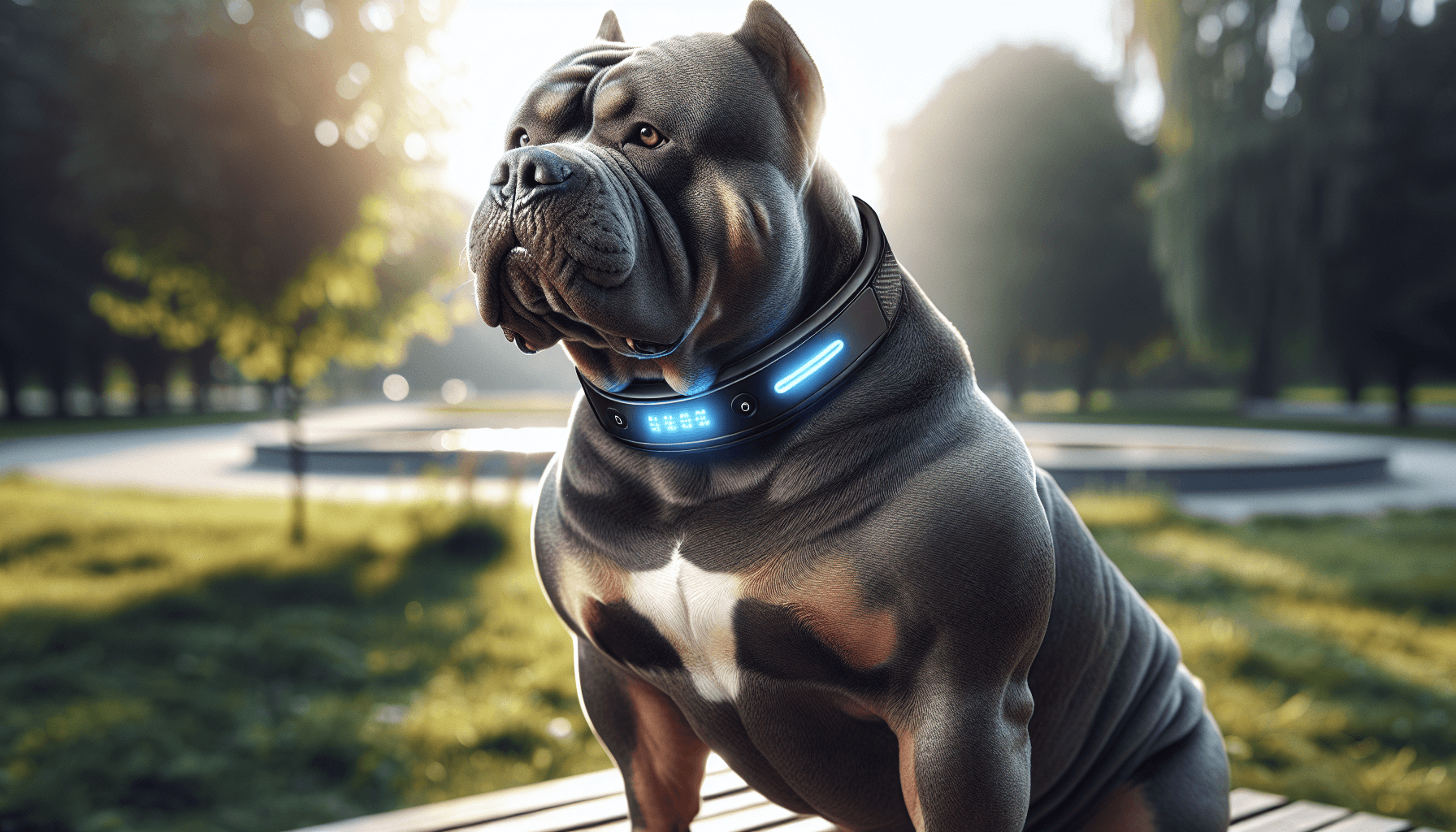
Finding the right collar for your pitbull or bully breed isn't just about style. It's about safety, control, and comfort. After testing dozens of collars on my own dogs, here are the ones that actually hold up to a bully's strength.
Finding the right collar for your pitbull isn't as simple as grabbing the first one you see at the pet store. Trust me, I learned that the hard way when my bully broke three collars in his first year.
Pitbulls and bully breeds have thick, muscular necks and a pulling power that can snap cheap collars like twigs. They also have sensitive skin that can react to certain materials. And let's be real, they look best in collars that match their strong, confident personality.
I've tested probably a dozen different collars over the years, and I'm going to share exactly what works and what doesn't. Whether you need something for daily walks, training, or just looking good, I've got you covered.
What Makes a Good Pitbull Collar?
Before we get into specific recommendations, let's talk about what actually matters in a collar for these powerful dogs.
Durability
This is number one. Pitbulls are strong dogs with thick necks. A flimsy collar made for a Chihuahua isn't going to cut it. You need materials that can handle pulling without fraying, stretching, or snapping.
Look for thick leather (at least 1.5 inches wide), heavy-duty nylon, or reinforced biothane. The hardware matters too. Cheap plastic buckles will break. You want solid metal, preferably steel or brass.
Width
Narrow collars dig into your dog's neck and can cause irritation or even injury with strong pullers. For pitbulls, I recommend collars that are at least 1.5 to 2 inches wide. This distributes pressure across a larger area, which is way more comfortable and safer.
Plus, wider collars just look better on muscular breeds. A skinny collar on a thick neck looks weird.
Material Safety
Some pitbulls have sensitive skin. Certain materials, dyes, or treatments can cause irritation, hair loss, or allergic reactions. Natural leather and high-quality nylon are usually safe bets. Avoid anything with harsh chemicals or strong smells.
Fit
A proper fit is crucial. You should be able to fit two fingers comfortably between the collar and your dog's neck. Too tight and it's uncomfortable or dangerous. Too loose and your dog can slip out of it.
Pitbulls have thick necks, so measure carefully. Don't guess based on weight. My 60-pound bully has a thicker neck than some 80-pound dogs.
Style
Okay, this one's not essential, but let's be honest. We want our dogs to look good. There are tons of options out there, from tactical-looking collars to leather with brass studs to simple, clean designs. Pick what fits your dog's personality (and yours).
Types of Collars for Different Purposes
Not all collars are created equal, and you might need different collars for different situations. Here's the breakdown:
Everyday Flat Collars
These are your standard, go-to collars for holding ID tags and casual walks around the neighborhood. They should be comfortable enough to wear all day but tough enough to handle occasional pulling.
Best for: Daily wear, holding tags, light walks
Materials I like: Thick leather (1.5-2 inches wide), heavy nylon, biothane
What to avoid: Thin collars, cheap plastic buckles, rough materials
Martingale Collars
These are my personal favorite for walks. Martingale collars tighten slightly when your dog pulls, which gives you more control without choking them. They're safer than slip collars because they have a limited tightening range.
They're great for dogs who back out of regular collars or pull on the leash. The design distributes pressure evenly around the neck, so it's more comfortable than a standard collar when there's tension.
Best for: Training, walks with pullers, dogs who escape regular collars
What to avoid: Leaving them on unsupervised (can catch on things)
Training Collars
I'm going to be straight with you here. Prong collars and choke chains are controversial, and I'm not a fan. With proper training, you shouldn't need them. Positive reinforcement and a good martingale or front-clip harness work better without the risk of injury.
If you're struggling with leash training, work with a professional trainer who uses positive methods. Your relationship with your dog will be better for it.
Best for: I'd skip these unless a certified trainer specifically recommends one for your situation
E-Collars (Electronic/Remote Collars)
Another controversial one. E-collars can be useful tools when used correctly by experienced trainers, especially for off-leash training or recall work. But they can also be easily misused and cause fear or aggression issues.
If you go this route, work with a professional trainer who understands e-collar conditioning. Don't just strap one on and start pressing buttons. That's a recipe for behavioral problems.
Best for: Advanced off-leash training with professional guidance
What to avoid: Using without proper training, using as punishment
Breakaway Collars
These are designed to release under pressure, which prevents choking if the collar gets caught on something. They're popular for cats, but some dog owners use them too.
For pitbulls, I don't recommend these as primary collars because they're not strong enough for walks. But they can be fine for holding ID tags if your dog is home alone and you're worried about them getting caught on furniture.
Best for: Supervised home wear, holding tags only
What to avoid: Walks, outdoor adventures
My Top Collar Recommendations for Pitbulls
Alright, let's get specific. These are collars I've personally used or seen other pitbull owners have success with.
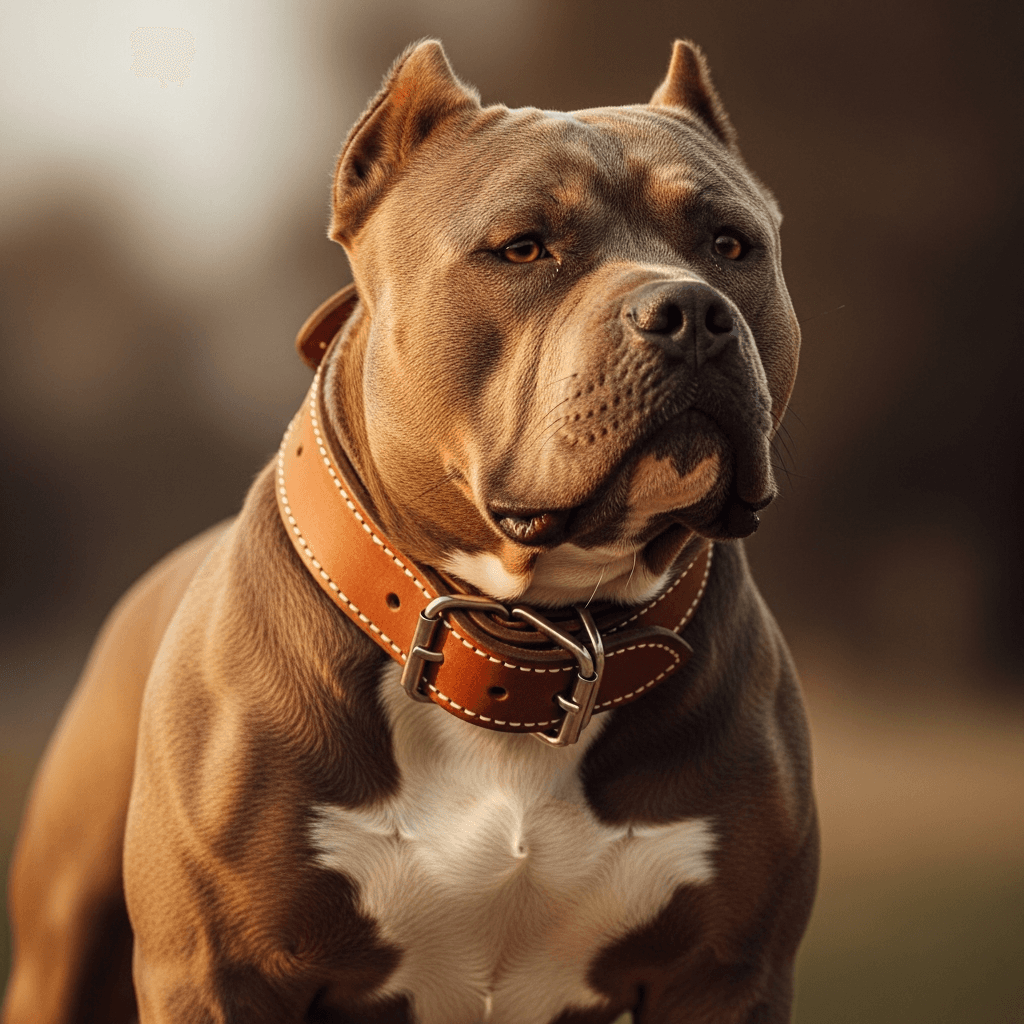
For Everyday Wear: Leather Flat Collar
You can't go wrong with a quality leather collar for daily wear. I'm talking real, thick leather, not that cheap bonded stuff that falls apart after a month.
What I like:
- Genuine leather, 1.5 to 2 inches wide
- Solid brass or steel hardware
- Double-stitched for durability
- Gets softer and better looking with age
A good leather collar can last years if you take care of it. Just wipe it down occasionally and condition it a few times a year. It'll develop a nice patina and actually get more comfortable over time.
The downside? They can be pricey upfront. But when you factor in how long they last compared to cheap nylon collars you replace every few months, they're worth it.
For Training and Walks: Martingale Collar
For actual walks where there might be pulling, I switch to a martingale. The limited-slip design gives you control without risking injury to your dog's neck.
What I like:
- 1.5 to 2 inches wide
- Heavy-duty nylon or leather
- Strong metal D-ring for leash attachment
- Adjustable sizing
Make sure you adjust it properly. When loose, it should fit like a regular collar (two fingers of space). When tightened, it should snug up but not choke. If adjusted correctly, your dog can't back out of it, but it won't hurt them either.
I use a nylon martingale for walks and take it off when we're home. I don't leave martingales on unsupervised because the loop can theoretically catch on something, though I've never had that happen.
For Strong Pullers: 2-Inch Wide Leather Martingale
If your pitbull pulls hard and you want maximum control with minimum discomfort for them, a wide leather martingale is the way to go. The extra width distributes pressure better than narrower options.
These aren't as common as regular martingales, but they're worth seeking out if you have a serious puller. Combined with consistent leash training, they make walks way more manageable.
For Looking Tough: Tactical/Military Style Collar
Let's be honest, some of us like the tactical look. These collars are usually made from heavy-duty nylon with metal buckles and sometimes a handle on top. They look badass and they're actually functional.
What I like:
- Usually 1.5 to 2 inches wide
- Thick, reinforced nylon
- Metal buckles and D-rings
- Built-in handle is useful for close control
The handle is genuinely useful in situations where you need to quickly control your dog, like passing another dog on a narrow sidewalk or moving through a crowd.
Just make sure you get a quality one. There are tons of cheap knockoffs that look cool but fall apart. Read reviews and don't just go for the cheapest option.
For Water-Friendly Dogs: Biothane Collar
If your pitbull loves water or you live somewhere humid, biothane is amazing. It's a coated webbing that's waterproof, easy to clean, and incredibly durable. It won't rot, smell, or get nasty like wet leather or nylon can.
What I like:
- Completely waterproof
- Easy to clean (just rinse it off)
- Doesn't hold smells
- Very durable
- Available in lots of colors
Biothane has become super popular in the last few years, and for good reason. It's basically the perfect collar material for active dogs. The only downside is it doesn't have that classic leather look, but functionally it's hard to beat.
What to Avoid
Some collars are just bad ideas for pitbulls, no matter how popular they are:
Retractable leash collars: These encourage pulling and give you less control. Plus, the thin cord can cause serious injuries if it wraps around you or your dog.
Decorative collars with tons of bling: They might look cute, but all those studs and rhinestones can irritate your dog's neck. Keep it simple.
Collars from the dollar store: Just don't. I know they're cheap, but they'll break at the worst possible moment. Spend the money once on a quality collar.
Shock collars for everyday use: These are not everyday wear collars. If someone told you to keep a shock collar on your dog 24/7, they're wrong.
Collars that are too narrow: Anything under 1 inch wide is going to be uncomfortable for a pitbull, especially if they pull at all.
Collar vs. Harness: Which Is Better?
This is a common question, and honestly, both have their place.
Use a collar for:
- Holding ID tags (always have tags on)
- Short, controlled walks where pulling isn't an issue
- Dogs with good leash manners
Use a harness for:
- Training a dog who pulls
- Dogs with neck or trachea issues
- Hiking or long adventures where you want better control
- Dogs who back out of collars
I use both. My bully wears a leather collar with his ID tags all the time. For walks, I switch to either a martingale collar or a front-clip harness depending on what we're doing.
If your pitbull pulls like a freight train, start with a front-clip harness while you work on leash training. They're safer than relying on a collar for a dog who hasn't learned to walk nicely yet.
How to Measure Your Pitbull for a Collar
Don't guess. Measure your dog's neck properly:
- Use a soft measuring tape
- Wrap it around the thickest part of your dog's neck (where the collar sits)
- Add 2 inches to that measurement
So if your dog's neck measures 18 inches, you want a collar that adjusts to about 20 inches. This gives you that two-finger space for comfort and safety.
When the collar arrives, check the fit. You should be able to slide two fingers between the collar and your dog's neck easily, but it shouldn't be so loose that your dog can pull their head out backward.
Collar Care and Maintenance
A good collar should last, but you need to take care of it:
Leather collars:
- Wipe down with a damp cloth regularly
- Condition every few months to prevent cracking
- Check stitching for wear
- Keep it dry when possible
Nylon collars:
- Wash with soap and water when dirty
- Air dry completely before putting back on
- Check for fraying or weak spots
- Replace if hardware gets loose
Biothane collars:
- Just rinse off when dirty
- Wipe with a cloth if needed
- Check hardware and stitching occasionally
Check your collar regularly for signs of wear. Stitching coming loose, hardware getting bent, or material fraying are all signs it's time for a replacement. Don't wait until it breaks on a walk.
ID Tags and Collar Accessories
Your pitbull should always have ID tags on their collar, even if they're microchipped. Microchips are great, but tags are faster. If your dog gets loose, someone can call you immediately instead of having to take them to a vet to scan for a chip.
Tag tips:
- Include your phone number (essential)
- Consider adding "I'm microchipped"
- Update tags if you move or change numbers
- Use a tag silencer if the jingling drives you crazy
Some collars have a spot where you can write directly on the collar with permanent marker. That's a good backup in case tags fall off.
I also keep a small AirTag on my dog's collar. If he ever got loose, I could track him in real-time. It's cheap insurance and gives me peace of mind.
Final Thoughts on Collars for Pitbulls
The best collar for your pitbull depends on your specific situation, but here's my general advice:
For most people: Get a quality 1.5 to 2-inch wide leather flat collar for everyday wear and ID tags. Add a martingale collar for walks if your dog pulls at all.
For strong pullers: Use a martingale or front-clip harness while you work on leash training. Be patient and consistent with training.
For water dogs: Go with biothane. You'll thank me later.
For style: Leather with brass hardware never goes out of style, but tactical collars look tough if that's your thing.
Whatever you choose, prioritize safety, durability, and comfort over looks. Your pitbull deserves a collar that keeps them safe and comfortable while looking great.
And remember, no collar is a substitute for training. Work on leash manners, recall, and general obedience. A well-trained pitbull in a basic collar is better than a poorly trained one in the fanciest collar money can buy.
Take care of your collar, check it regularly for wear, and replace it before it fails. Your dog's safety is worth the investment.